






A detailed comparison A detailed comparison of six ERP platforms—and why SIX ERP earns the top-of-breed position for companies that want one connected, managed, and

Understand and prepare for the practical caveats of EPR implementation and prepare for compliance around EPR, PPWR and DPP. Achieve real-world compliance before it is too late — January 15, 2027.
Your teams should not have to manage pricing, stock availability, customer orders, production requirements, deliveries and invoices across separate systems. SIX SalesFlow connects sales, purchasing, warehouse, manufacturing, logistics and finance in one controlled process, giving everyone a current view of what was ordered, what can be supplied, what has been delivered and what remains to be invoiced or paid.

From order confirmation to final invoicing, every responsible team works with the same current information. Confirm prices and quantities, check availability, reserve inventory, trigger purchasing or production, prepare picking and delivery, and create the correct invoice from the completed transaction.
SIX SalesFlow helps reduce order errors, delayed deliveries and manual handovers between departments. Sales teams can follow each order through fulfillment, delivery, invoicing and payment status while preserving the complete customer and transaction history for service, reporting and repeat business.

Keep customer details, products, prices, discounts, quantities, delivery terms, documents and approvals together. Give sales and operations teams a reliable order record from initial confirmation through delivery, invoicing and final settlement.
Check physical, available, reserved and expected inventory before confirming delivery. When products are unavailable, connect the requirement with purchasing or manufacturing and give the customer a more realistic fulfillment date.
Turn confirmed orders into reservations, picklists, packing and delivery records. Track partial deliveries, remaining quantities and order status while keeping sales, warehouse and logistics teams aligned throughout fulfillment.
Create invoices from confirmed deliveries, monitor payment status and preserve returns, credits and transaction history. Give management clear sales results while helping teams continue from completed orders into service, follow-up and repeat business.
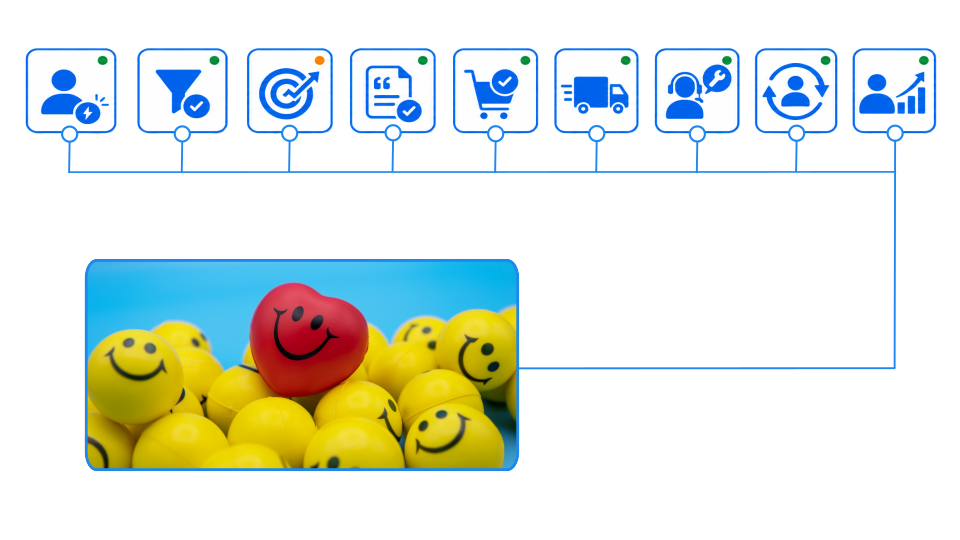
Connect every stage of the sales process, from order confirmation and availability checks to fulfillment, delivery, invoicing and follow-up. SIX SalesFlow keeps sales, purchasing, manufacturing, warehouse, logistics and finance teams working from the same reliable order information.

SIX SalesFlow keeps every sales stage connected. Confirm customer requirements, check stock availability, trigger purchasing or production, coordinate picking and delivery, create invoices and monitor payment status in one structured process.
Because each activity remains linked to the original customer order, teams can reduce repeated data entry, prevent costly handover errors and follow every commitment through to completion. The complete sales history also supports service, reporting, future orders and stronger long-term customer relationships.
From the confirmed customer requirement to fulfillment, invoicing and follow-up, SIX SalesFlow keeps orders, products, responsible salespeople, stock, production, deliveries and financial results connected. Explore the three stages that help your organization control commitments, coordinate fulfillment and turn completed orders into revenue and repeat business.

Record the customer, products, quantities, prices, delivery address, requested date, payment terms and other order conditions in one structured sales order. Give every responsible team a clear understanding of what has been promised.
Compare the requested quantities with available, reserved and expected stock. When products are unavailable, identify whether they must be purchased, manufactured or transferred before confirming a realistic delivery date.
Apply agreed price lists, customer-specific conditions, taxes and approved discounts. Route exceptions through the correct approval process before the order becomes a binding operational commitment.
Connect every quotation and order with the responsible salesperson, sales team or business unit. Follow order value, discounts, completed sales and customer activity so managers can understand individual and team performance within the actual sales process.

Allocate available inventory to the confirmed customer order and prevent the same quantity from being promised elsewhere. Give sales and warehouse teams a current view of what is reserved, missing or ready for fulfillment.
Create the required purchasing or production demand when stock is insufficient. Keep the customer order connected with procurement and manufacturing so salespeople can follow progress and communicate realistic delivery information.
Turn confirmed order quantities into controlled warehouse picklists. Guide employees to the correct products and storage locations, confirm picked quantities and prepare the order for accurate packing and dispatch.
Connect packed goods with shipment details, delivery documents and order status. Give sales, warehouse, logistics and customer service teams the same view of what has shipped, what remains open and what has been delivered.

Convert delivered products and completed order quantities into invoices without entering the same information again. Preserve the connection between the sales order, delivery, prices, taxes, payment terms and final financial transaction.
Track invoice due dates, open balances and recorded payments from the original sales process. Help sales and finance teams identify overdue amounts and coordinate customer follow-up using the same current information.
Keep quotations, orders, responsible salespeople, deliveries, invoices, payments and related documents connected to the customer record. Give authorized teams the full context when handling questions, service requests or future orders.
Compare sales values, order volumes, customer activity and salesperson performance across products, periods and teams. Use completed transaction history to identify important customers, improve sales planning and support consistent repeat business.

A detailed comparison A detailed comparison of six ERP platforms—and why SIX ERP earns the top-of-breed position for companies that want one connected, managed, and

Managing ERP Transformation with Confidence Many companies begin with spreadsheets. This is normal. A spreadsheet is quick, familiar, and easy to change. It can track

How SIX SalesFlow Turns Demand into Revenue A successful sale does not begin with an order and end with an invoice. It begins when a

Managing Finance with SIX FinanceFlow Financial management is not limited to issuing invoices or checking a bank balance. It is the process of understanding where

Learn how a connected sales process turns customer requirements into confirmed orders, coordinated fulfillment, accurate deliveries, invoices and lasting relationships. Discover how SIX SalesFlow connects salespeople, stock, purchasing, manufacturing, logistics and finance while making order progress, salesperson performance, revenue and payment status clearly visible.
SIX SalesFlow connects the process from customer requirements, estimates, proposals and quotations through order intake, fulfillment, delivery, invoicing, payment status and follow-up. When connected with SIX CustomerFlow, the process can begin even earlier with lead acquisition, qualification and opportunity management.
SIX SalesFlow checks current stock availability and existing reservations through SIX StockFlow. If goods are missing, the order can create demand for purchasing through SIX PurchaseFlow or production through SIX ManufacturingFlow. Salespeople can follow progress and provide customers with more reliable delivery information.
Yes. The workflow can be configured around your order stages, responsibilities, approvals, pricing rules, documents and departmental handovers. This can include discount approval, estimates, proposals, pro forma documents, advance payments, partial deliveries, purchasing, manufacturing or project-based fulfillment.
Yes. Leads, opportunities, quotations, customer orders and completed sales can be connected with the responsible salesperson, team, branch or business unit. Management can review ownership, follow-up activity, order values, discounts, conversions and completed business using information from the actual sales process.