SIX PurchaseFlow®

Smarter purchasing - from internal demand to supplier delivery.

SIX PurchaseFlow connects purchase requests, supplier offers, approvals, purchase orders and incoming deliveries in one controlled process. Give purchasing, warehouse, manufacturing and finance teams a shared view of what is required, what has been ordered, when it should arrive and what has actually been received.

Understand and prepare for the practical caveats of EPR implementation and prepare for compliance around EPR, PPWR and DPP. Achieve real-world compliance before it is too late — January 15, 2027.

Every purchasing need. One connected procurement process.

Your teams should not have to manage purchase requests, supplier quotations, approvals, orders and incoming deliveries across disconnected systems. SIX PurchaseFlow connects purchasing with warehouse, manufacturing, sales and finance—giving everyone a current view of what is required, approved, ordered, expected, received or still outstanding.

Turn every requirement into a controlled purchasing flow

From the moment a department identifies a need, every responsible team works with the same current information. Create purchase requests, compare supplier quotations, manage approvals, issue purchase orders and monitor expected delivery dates in one connected process.

SIX PurchaseFlow helps you avoid unauthorized spending, reduce supplier delays and maintain control over prices, quantities and commitments. When goods arrive, purchasing data continues directly into receiving, warehouse inventory, invoice control and financial processing.

Purchasing, Procurement and Supplier Management

Capture every procurement need

Turn material shortages, production demand, stock replenishment and departmental requests into structured purchase requirements. Give purchasing a clear view of what is needed, in what quantity, for which purpose and by when.

Compare suppliers with confidence

Collect and evaluate supplier quotations using prices, delivery times, quantities and commercial terms. Select the most suitable offer while keeping the complete sourcing decision visible and traceable.

Control approvals and commitments

Route purchase requests and orders through the required approval process before commitments are made. Maintain control over authorized quantities, agreed prices, responsible users and order status.

Track every order through receipt

Monitor what has been ordered, confirmed, partially delivered, received or remains outstanding. Connect purchase orders directly with incoming goods, warehouse inventory, supplier invoices and financial processing.

How it works

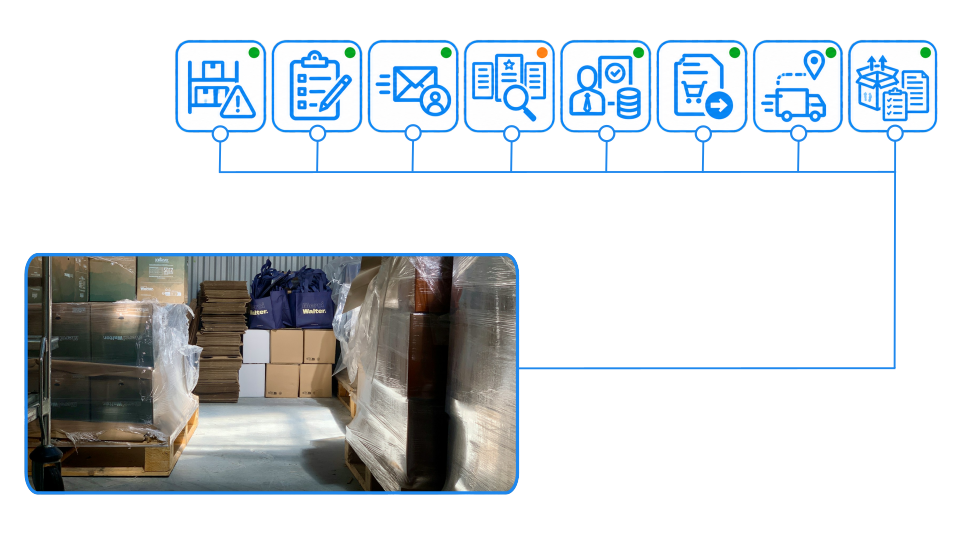
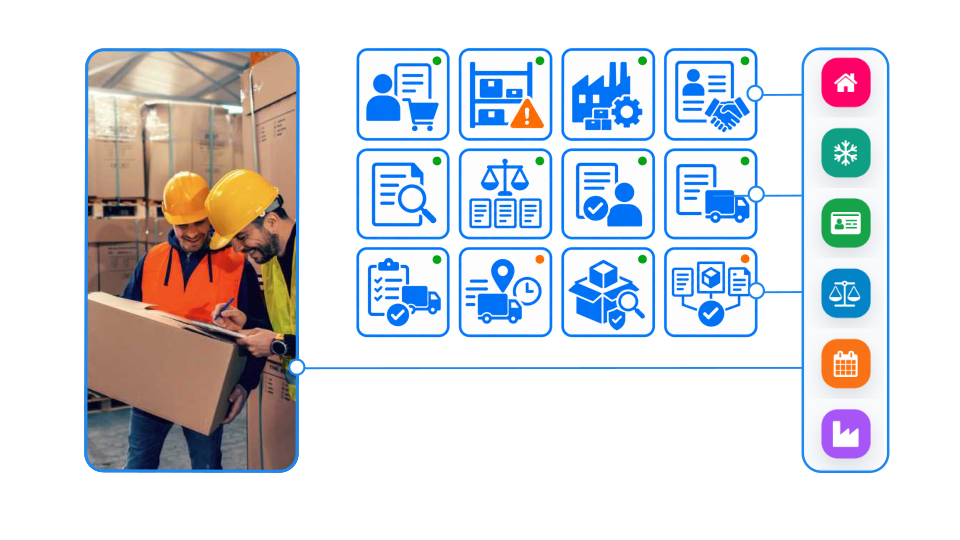
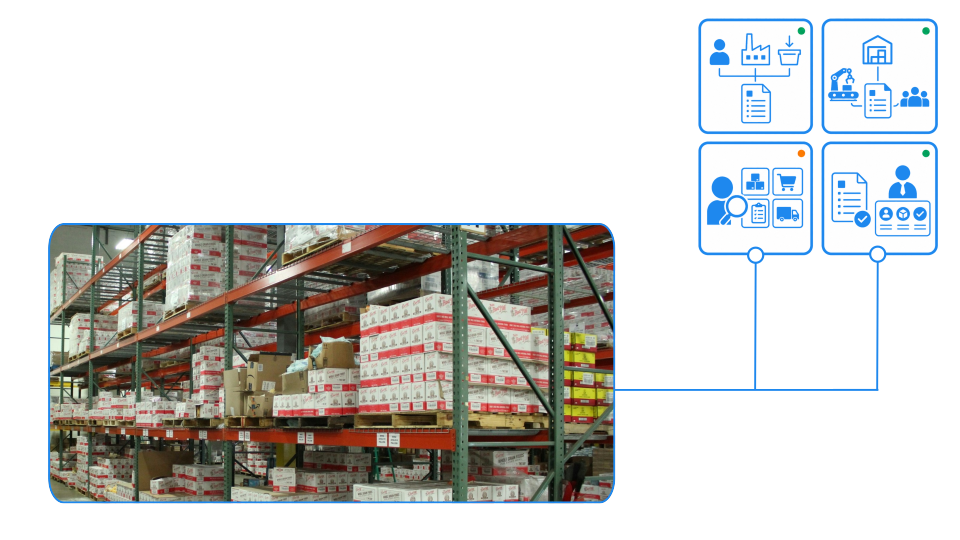
SIX PurchaseFlow connects every stage of procurement, from demand planning and purchase requests (PR) to supplier selection, purchasing, goods receiving, and invoice matching. Purchasing requirements originate from SalesFlow customer orders, ManufacturingFlow material requirements (MRP), and StockFlow inventory levels, reorder points, and replenishment rules. Purchase requisitions move through approval workflows before generating requests for quotation (RFQ), supplier bids, and price comparisons. Approved offers become purchase orders (PO), with agreed prices, quantities, delivery dates, lead times, and payment terms. Suppliers confirm orders, while purchasing teams monitor expected deliveries, backorders, and outstanding commitments. Incoming goods are received through StockFlow, where quantities, quality checks (QC), and stock movements are recorded. Supplier invoices are matched against purchase orders and goods receipts using three-way matching, connecting procurement with FinanceFlow for accounts payable (AP), payments, and cost control. Every request, approval, order, receipt, and invoice remains traceable, creating one connected procure-to-pay (P2P) process with real-time visibility into purchasing costs, supplier performance, and material availability.

From purchase requirement to verified delivery

Connect every stage of procurement—from internal demand and supplier quotations to approvals, purchase orders, delivery monitoring and goods receipt. SIX PurchaseFlow keeps purchasing, warehouse, manufacturing and finance teams working from the same current order and supplier information.

Control every supplier, order and commitment in one system

SIX PurchaseFlow centralises supplier records, quotations, agreed prices, delivery terms and purchase orders while clearly showing what is requested, approved, ordered, confirmed, partially received or still outstanding.

Create purchasing requirements from stock replenishment, manufacturing demand or internal requests. Compare supplier offers, control approvals, monitor expected delivery dates and connect received goods directly with warehouse inventory and invoice processing. This gives your business clearer spending control, more reliable supply and complete visibility from initial requirement to final receipt.

Know what you need. Know who can supply it. Buy with confidence.

SIX PurchaseFlow connects purchase requirements, supplier quotations, approvals, purchase orders and incoming deliveries in one controlled procurement process. Give purchasing, warehouse, manufacturing and finance teams a reliable view of what is needed, ordered, expected, received or still outstanding.

Capture Purchasing Needs at the Source

Turn departmental requests, manufacturing requirements and inventory shortages into structured purchase demand. Record what is needed, in what quantity, for which purpose and by when.

Connect Requirements with Actual Demand

Link purchasing needs with stock replenishment, manufacturing orders, internal requests or other operational demand. Help buyers understand why each item is required before placing an order.

Review Requirements Before Ordering

Bring related purchasing needs together for review. Check current stock, existing reservations, open purchase orders and expected receipts before creating another supplier commitment.

Approve Purchases with Control

Route purchase requests through the required approval process. Keep requested quantities, estimated costs, responsible users and approval decisions visible before an order is issued.

Keep Supplier Information Organized

Maintain supplier records, contact details, offered products, commercial terms and purchasing history in one place. Give buyers the information they need when selecting a source.

Compare Supplier Quotations Clearly

Evaluate quotations by price, quantity, delivery time, payment terms and other commercial conditions. Compare complete offers instead of choosing a supplier based only on the lowest unit price.

Select the Most Suitable Offer

Choose the supplier that provides the best overall result for the requirement. Consider cost, availability, delivery reliability and agreed terms before confirming the purchase.

Create Controlled Purchase Orders

Convert approved requirements and selected quotations into structured purchase orders. Record ordered items, prices, quantities, delivery dates, warehouses and commercial terms in one controlled document.

Monitor Expected Deliveries

Track supplier confirmations and planned delivery dates for every open purchase order. Give warehouse, manufacturing and other affected teams visibility into what should arrive and when.

Manage Partial and Delayed Orders

Separate received quantities from quantities that remain outstanding. Identify partial deliveries, shortages and late orders early enough to protect production schedules and customer commitments.

Receive Goods Against the Original Order

Compare delivered items and quantities with the approved purchase order. Record accepted, damaged, rejected or pending quantities before goods become available in warehouse inventory.

Continue into Inventory and Finance

Transfer confirmed receipts into SIX StockFlow and connect purchasing information with supplier invoice control and financial processing. Preserve a complete record from the original requirement to the received goods and final cost.

See other SIX ERP Resources

Learn how supplier performance scorecards turn purchasing, delivery, and quality data into better decisions. Explore key KPIs, weighted scoring, performance thresholds, and how connected ERP systems help reduce supplier risks, prevent production delays, and control purchasing costs.

Read More >
The Right ERP System Doesn't Always Come from the Biggest Vendor

Why in-depth business analysis, personal attention, and long-term partnership can matter more than a globally recognized brand.

Read More >
Manufacturing ERP: Turn Your Factory Into a Connected Business

Discover practical tips for a successful manufacturing ERP implementation, from choosing the right system and preparing accurate data to improving inventory control, production planning, and employee training. Learn how a structured ERP rollout connects factory operations, reduces costly errors, and helps manufacturers improve efficiency, traceability, and profitability.

Read More >

Understand the different types of Bill of Materials (BOM), from single-level and multi-level BOMs to configurable, phantom, engineering, and manufacturing BOMs. Learn how ERP systems manage product variants, material requirements, production planning, and costing while reducing errors and improving manufacturing efficiency.

Read More >

Industries

SIX PurchaseFlow is a comprehensive Procurement and Purchasing Management solution designed for businesses across virtually every industry. Whether purchasing raw materials, components, finished goods, equipment, or services, PurchaseFlow connects demand planning, supplier management, RFQs, purchase orders, approvals, goods receiving, and invoice matching in one integrated process. By connecting ManufacturingFlow, StockFlow, SalesFlow, ProjectFlow, and FinanceFlow, businesses can automate replenishment, control purchasing costs, manage supplier relationships, and maintain complete visibility over their procurement activities, regardless of company size or industry.

Field Services Industry Workflowss

Industries We Serve

Furniture & Industrial Manufacturing

Wholesale Distribution & Trading

Food, Beverage & Dairy Production

Retail, E-Commerce & Consumer Goods

Automotive, Machinery & Equipment

Healthcare, Medical Devices & Pharma

Construction & Building Materials

Logistics, Transport & Warehousing

Electronics & Technology

Energy, Utilities & Infrastructure

And many more industries, including chemicals, plastics, textiles, agriculture, packaging, metalworking, printing, telecommunications, real estate, education, public institutions, and businesses managing complex supplier networks or multiple purchasing locations.

Resources

From Business Need to Supplier Delivery

Effective procurement begins long before a purchase order is issued. Learn how SIX PurchaseFlow connects demand, approvals, supplier quotations, ordering, delivery monitoring, goods receipt and invoice control—creating one transparent purchasing process from the initial business need to final supplier delivery.

Frequently Asked Questions

Solutions PurchaseFlow Frequently Asked Questions

  • What is SIX PurchaseFlow?

    SIX PurchaseFlow is the purchasing part of SIX ERP. It connects purchase requests, supplier quotations, approvals, purchase orders and incoming deliveries in one controlled process. Purchasing, warehouse, manufacturing and finance teams share one view of what is required, what has been ordered, when it should arrive and what has actually been received.

  • Who implements SIX PurchaseFlow, and is support available after go-live?

    SIX ERP provides implementation services directly: pre-integration consulting, integration and configuration, and post-integration support. This means the same team that configures PurchaseFlow around your purchasing process can support it after launch. To discuss your setup, request a demo and describe your purchasing process.

  • Can SIX PurchaseFlow be used to buy services and equipment as well as materials?

    Yes. PurchaseFlow supports purchasing of raw materials, components, finished goods, equipment and services. Demand can also come from sales, service and project teams, so field-service and project businesses can run their purchasing through the same approval and order-tracking process.

  • Can we replace Excel spreadsheets for purchasing with SIX PurchaseFlow?

    Yes. Purchase requests, supplier quotations, approvals, orders and delivery tracking, which are often spread across spreadsheets and email, are managed in one controlled process. Supplier records, agreed prices and purchase history sit in one system, and purchasing connects directly to warehouse and finance.

  • What is the difference between a purchase request, an RFQ and a purchase order in SIX PurchaseFlow?

    A purchase request (PR) records an internal need: what is required, in what quantity, for which purpose and by when. After approval, a request for quotation (RFQ) collects supplier offers and price comparisons. The selected offer becomes a purchase order (PO), which records agreed prices, quantities, delivery dates, lead times and payment terms.

  • Can SIX PurchaseFlow help protect production schedules from late or partial deliveries?

    Yes. PurchaseFlow separates received quantities from outstanding quantities and flags partial deliveries, shortages and late orders. Manufacturing and warehouse teams see the same expected delivery dates as purchasing, so they can react before a delay reaches the production schedule or a customer commitment.

  • How does a small manufacturer plan materials and purchasing with SIX ERP?

    Material requirements from SIX ManufacturingFlow (MRP) feed directly into SIX PurchaseFlow as purchase requirements. Buyers see what production needs, review current stock and open orders, request supplier quotations and raise purchase orders. They then monitor delivery dates, so shortages and late orders are visible before they stop production.

  • What is three-way matching in SIX PurchaseFlow?

    Three-way matching compares a supplier invoice with the purchase order and the goods receipt before it moves on to payment. That confirms you are paying for what was ordered, at the agreed price, and what was actually received. It helps prevent overpayment and payment for goods that never arrived.

  • Does SIX PurchaseFlow connect purchasing with supplier invoices and accounts payable?

    Yes. Supplier invoices are matched against purchase orders and goods receipts, and purchasing continues into SIX FinanceFlow for accounts payable, payments and cost control. Every request, approval, order, receipt and invoice stays traceable in one procure-to-pay process.

  • Is SIX PurchaseFlow suitable for wholesale and distribution companies?

    Yes. PurchaseFlow is designed for businesses that buy raw materials, components, finished goods, equipment or services, including Wholesale Distribution and Trading, Retail and E-Commerce, and Furniture and Industrial Manufacturing. It connects with SalesFlow, so customer orders can drive purchasing demand, and with StockFlow and FinanceFlow for receiving and payment control.

  • Can SIX PurchaseFlow handle purchasing for a company with several warehouses?

    Yes. Each purchase order records the warehouse it is destined for, together with items, prices, quantities, delivery dates and commercial terms. When goods arrive, confirmed receipts transfer into SIX StockFlow, so warehouse inventory reflects what was actually received against the original order.

  • Can SIX PurchaseFlow create purchase requirements from reorder points and low stock levels?

    Yes. Purchasing requirements can originate from inventory levels, reorder points and replenishment rules in SIX StockFlow. Before ordering, buyers can check current stock, reservations, open purchase orders and expected receipts, so replenishment is based on actual demand and not on duplicate orders.

  • How can a small trading company track stock and incoming supplier deliveries in SIX ERP?

    SIX PurchaseFlow links purchasing directly to SIX StockFlow, so a trading company sees current stock, open purchase orders and expected receipts in one place. Each purchase order records items, quantities, delivery dates and the receiving warehouse. Buyers can then see what is confirmed, partially delivered, received or still outstanding, and warehouse teams know what should arrive and when.

  • Where do purchase requirements come from?

    Purchase requirements can come from material shortages, production demand, stock replenishment and departmental requests. Each one becomes a structured purchase requirement that records what is needed, in what quantity, for which purpose and by when.

  • Can buyers see why an item is needed before ordering?

    Yes. Purchasing needs can be linked with stock replenishment, manufacturing orders, internal requests or other operational demand, so buyers understand why each item is required before they place an order.

  • How does PurchaseFlow help avoid duplicate orders?

    Before a new supplier commitment is created, you can review related purchasing needs together and check current stock, existing reservations, open purchase orders and expected receipts.

  • How are purchases approved?

    Purchase requests and orders are routed through the required approval process before commitments are made. Requested quantities, estimated costs, responsible users and approval decisions stay visible before an order is issued.

  • How does PurchaseFlow compare supplier quotations?

    Quotations are evaluated by price, quantity, delivery time, payment terms and other commercial conditions. You compare complete offers instead of choosing only on the lowest unit price, and the full sourcing decision stays visible and traceable.

  • What information is stored about suppliers?

    Supplier records, contact details, offered products, commercial terms, quotations, agreed prices, delivery terms and purchasing history are kept in one place for buyers.

  • What does a purchase order contain?

    Approved requirements and selected quotations are converted into structured purchase orders. Each order records the ordered items, prices, quantities, delivery dates, warehouses and commercial terms in one controlled document.

  • Can we track expected deliveries and late orders?

    Yes. PurchaseFlow tracks supplier confirmations and planned delivery dates for every open purchase order. Warehouse, manufacturing and other affected teams can see what should arrive and when. Received quantities are separated from quantities that remain outstanding, so partial deliveries, shortages and late orders can be identified early.

  • How does goods receipt work?

    Delivered items and quantities are compared with the approved purchase order. Accepted, damaged, rejected or pending quantities are recorded before the goods become available in warehouse inventory.

  • How does purchasing connect with inventory and finance?

    Confirmed receipts transfer into SIX StockFlow, and purchasing information connects with supplier invoice control and financial processing. This preserves a complete record from the original requirement to the received goods and final cost.

  • How can I see PurchaseFlow in action?

    and describe your purchasing process, so a SIX specialist can show how PurchaseFlow fits it.

  • What parts of the purchasing process does SIX PurchaseFlow manage?

    SIX PurchaseFlow connects purchase requirements, approvals, supplier quotations, purchase orders, delivery monitoring, goods receipt and invoice control. This creates one traceable process from the initial business need to the completed supplier delivery.

  • Can SIX PurchaseFlow compare quotations from different suppliers?

    Yes. Buyers can evaluate supplier offers using price, quantity, delivery time, payment terms and other commercial conditions. This helps the company select the most suitable overall offer instead of making decisions based only on the lowest unit price.

  • How does SIX PurchaseFlow help prevent shortages and late deliveries?

    SIX PurchaseFlow connects purchasing demand with current inventory, reservations, expected receipts and manufacturing requirements. Buyers can monitor confirmed delivery dates, outstanding quantities, partial receipts and overdue orders before delays affect production, sales or service.

  • How does PurchaseFlow connect with other SIX ERP solutions?

    SIX PurchaseFlow receives demand from SIX StockFlow, SIX ManufacturingFlow, Sales, Service and Projects. Confirmed receipts update warehouse inventory, while purchase orders, received quantities and supplier invoices continue into financial control and business reporting.