

ERP for Manufacturing: Planning, Work Orders and Traceability

One ERP for every plant, production team and process—from planning to finished goods.

Manufacturing ERP is a system that connects sales demand, material planning, shop-floor work orders, inventory and finance in one process. SIX ERP plans MTO, MTS and hybrid production, tracks work centers and costs for each order, and feeds shop-floor results back into business records.

Understand and prepare for the practical caveats of EPR implementation and prepare for compliance around EPR, PPWR and DPP. Achieve real-world compliance before it is too late — January 15, 2027.

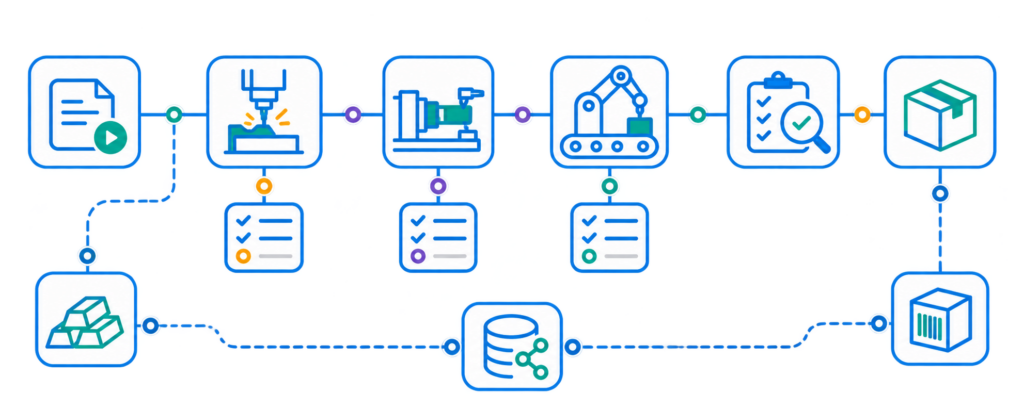
From production plan to shop-floor progress​

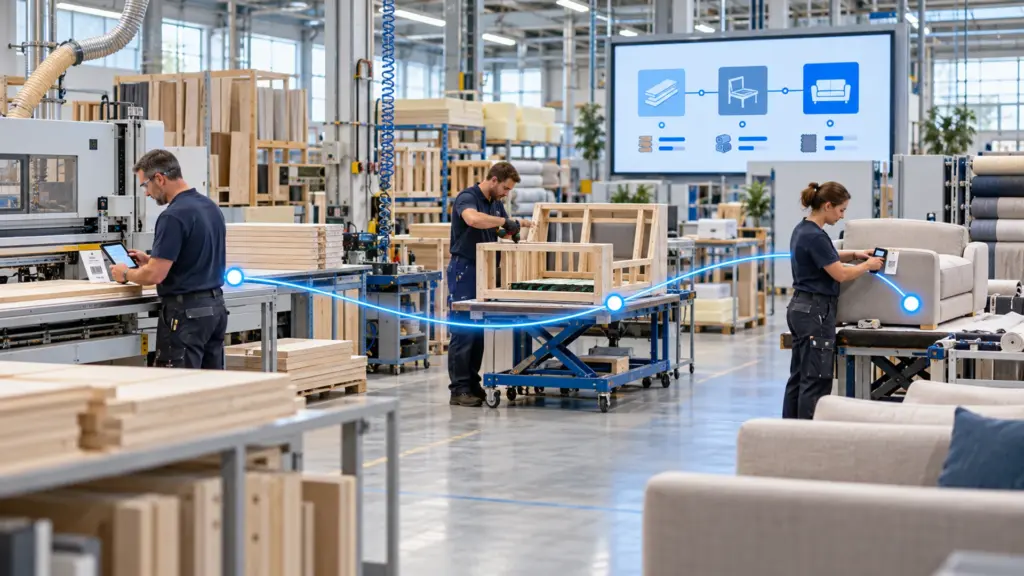
A plan only works when production teams can act on it and report what happens. SIX ERP connects work orders, work centers, material movements and production updates, giving planners a clearer view of progress, delays and completed output.

Keep every work order moving

Release work orders to the right work centre, follow their progress through production, and record material use and completed output. These updates help planners spot delays, adjust priorities and coordinate the next operation.

Work order control

Organize production orders around work centres and operational priorities.

Shop-floor visibility

Follow order status and recorded actions as work progresses.

Material flow

Connect required components with stock picking and consumption.

Production feedback

Keep the plan current as work is completed or priorities change.

Connect production results to business performance

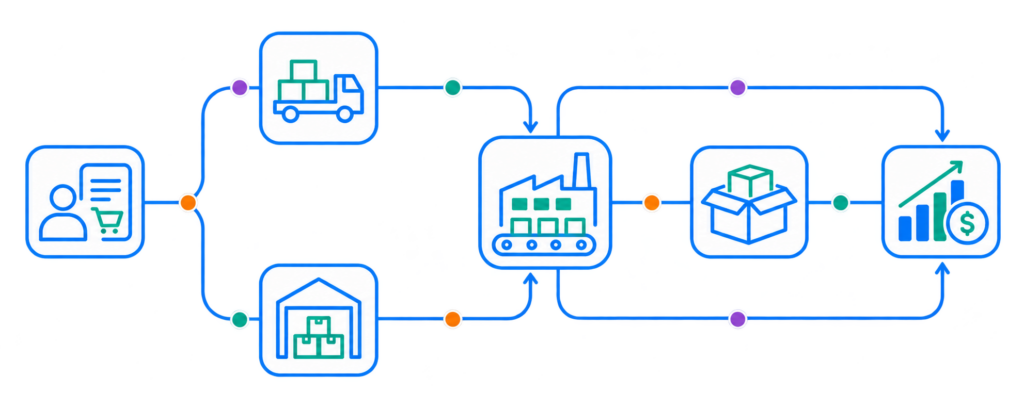
Every completed work order affects stock, material costs and delivery commitments. SIX ERP connects production updates with inventory and finance, helping managers review output and material consumption alongside the wider operational picture.

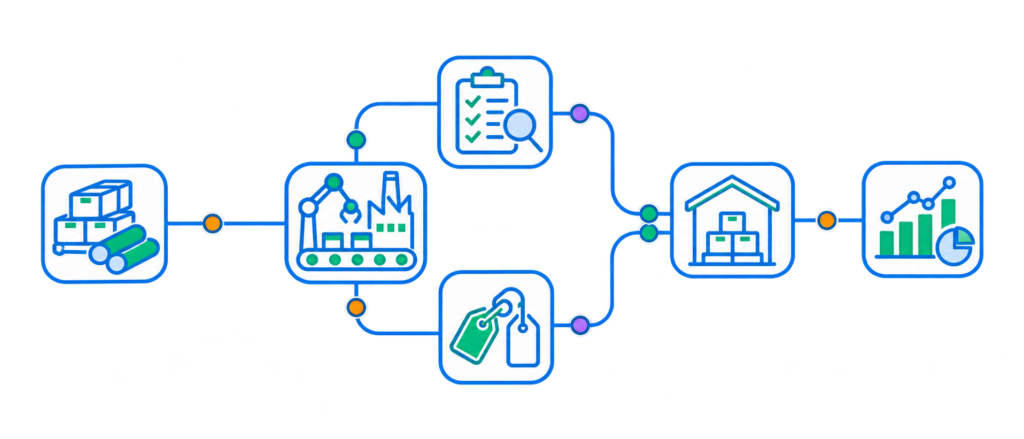
Control quality. Trace every production step.

  • Build quality checks into production workflows.

  • Trace materials and finished goods throughout the production process.

  • Keep inspection results and production records connected to each work order.

  • Link completed production and material use to inventory and operational reporting.

Manufacturing Processes

Plan production. Control the shop floor. Connect every process.

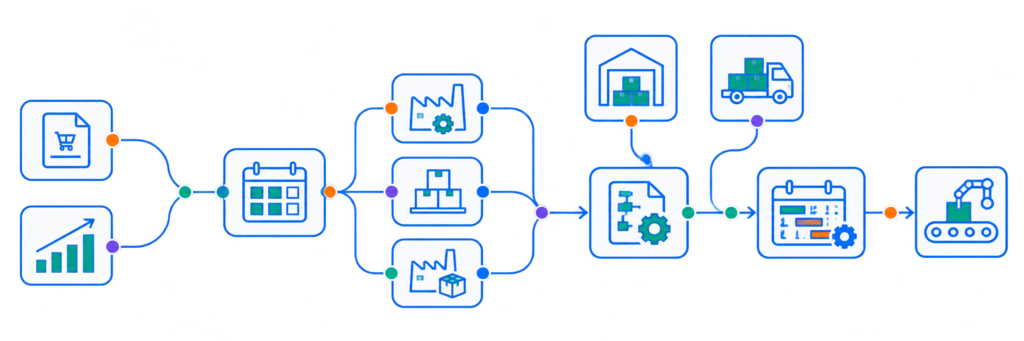
Manufacturers balance make-to-order (MTO), make-to-stock (MTS) and hybrid production while managing demand, materials, capacity and delivery dates. SIX ERP connects bucket planning and material planning with shop-floor control, quality, traceability, inventory and finance—so teams can follow production from demand through to finished goods.

Plan MTO, MTS and hybrid production

Manage customer-specific orders, forecast-driven stock and mixed production within one planning environment.

Organize demand in buckets

Group sales orders and forecast demand by period to review priorities and quantities before releasing production.

Plan materials against requirements

Compare BOM requirements with available stock and incoming supply to identify potential shortages before work begins.

Coordinate work-center schedules

Align planned operations with work-center availability and delivery dates, then adjust priorities as demand changes.

Release clear work orders

Give production teams work orders with the operations and material requirements needed to start the job.

Track progress across work centers

Record status updates as work moves through production, helping planners monitor work in progress and respond to delays.

Record material use and output

Capture actual material consumption and completed quantities against each work order to keep production and inventory records aligned.

Manage quality and traceability

Record quality checks and trace materials and finished products through the production process.

Connect sales demand to production

Bring customer orders and demand signals into production planning, keeping production priorities connected to delivery commitments.

Link purchasing and inventory to material plans

Use planned requirements and stock information to coordinate material availability, purchasing and production.

Carry production results into business records

Connect reported material use and completed output with inventory and finance processes.

See the operation as one flow

Bring planning, work in progress, quality records and completed production into a shared operational view.

Talk to an Expert

Every manufacturing business has its own production mix and priorities. Meet with a SIX expert to explore how connected planning, shop-floor control and traceability could support your operations.

Discover the SIX philosophies of connected Flows

Project Management Software for Small Business

Project Management Software for Small Business (2026 Guide)

Discover how to choose project management software for your small business in 2026. Learn which features matter most, from task planning and time tracking to resource scheduling, budget control, and invoicing. See how integrated ERP solutions like SIX ProjectFlow connect projects, employees, purchasing, and finance to improve efficiency and protect profitability.
Read More >

Production Scheduling Software for Manufacturers Explained

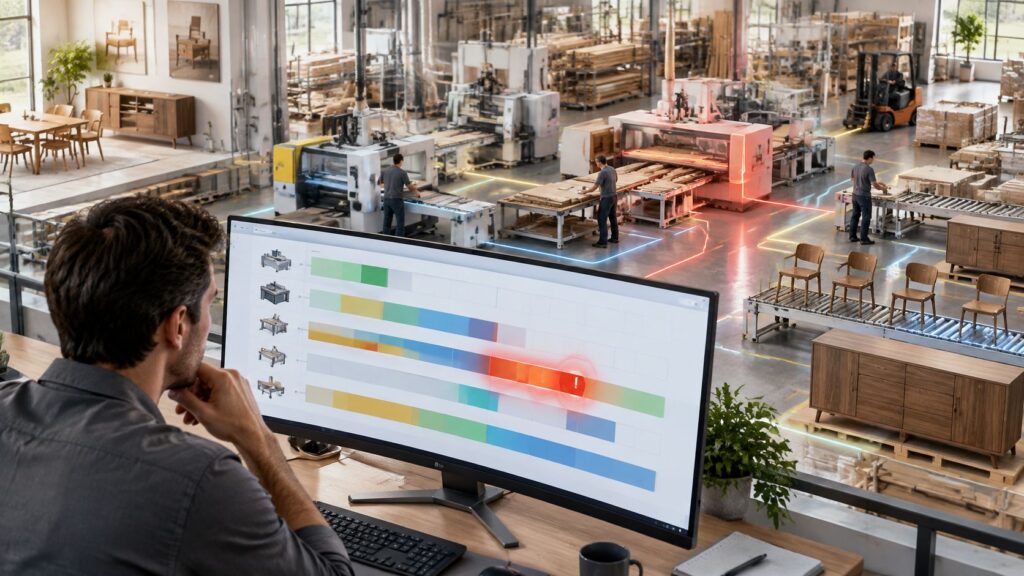
Discover how production scheduling software helps manufacturers manage machine capacity, material availability, work orders, and changing priorities. Learn how finite-capacity scheduling and ERP integration reduce production bottlenecks, improve delivery reliability, and support faster rescheduling. See how SIX ManufacturingFlow connects production planning, purchasing, and shop-floor execution.
Read More >

Resources

ERP Comparison: Which Solution Fits Your Business?

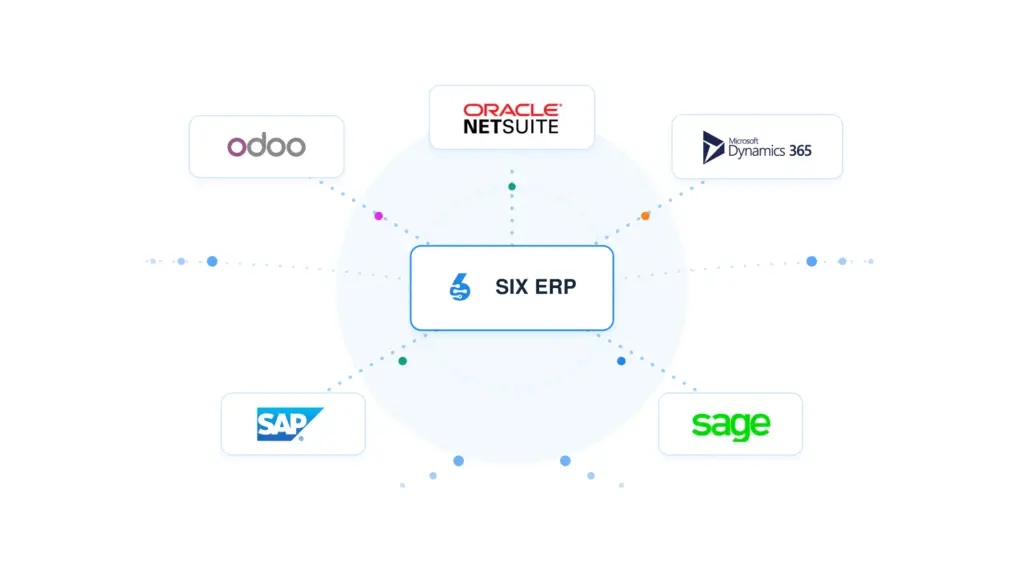
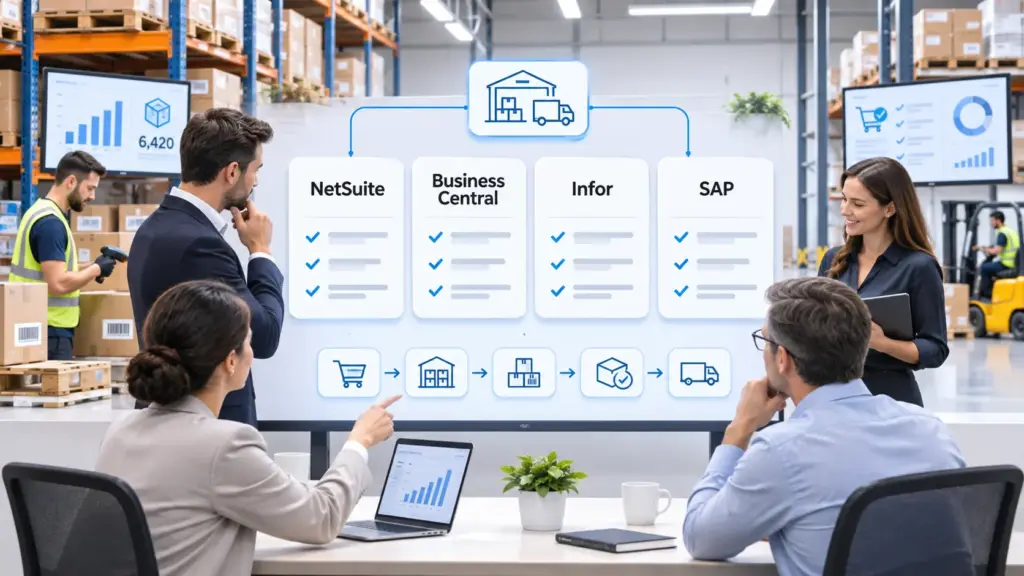
Compare SIX ERP with Odoo, Oracle NetSuite, Microsoft Dynamics 365, SAP, and Sage across licensing, users, modules, scalability, customization, upgrades, support, and business continuity. Understand the strengths, limitations, and long-term trade-offs that matter before choosing your next ERP platform.

Frequently Asked Questions

Industry Solutions Frequendly Asked

  • Batch traceability and quality are ensured by tracking every item from procurement to consumption through connected workflows. Each batch can be followed from its source of acquisition through receiving, storage, production, and outgoing delivery. This creates a clear record of where the batch came from, how it was handled, and where it went, helping maintain quality, support audits, and quickly identify any issues.

  • ERP connects manufacturing with inventory and purchasing by tracking every item used and produced throughout the production process. When a production order is created, the system checks available stock, reserves required materials, and generates detailed pick lists for the warehouse. As materials are consumed, inventory is updated in real time at the item level. If stock is low or unavailable, ERP can trigger purchasing or replenishment based on demand, lead times, and minimum stock levels. Finished goods are then added back into inventory when production is completed. This creates a continuous link between production planning, warehouse control, material consumption, purchasing needs, and stock accuracy.

  • Yes. SIX ERP supports complex recipes, specifications, and all types of bills of materials, including bucket orders generated before manufacturing or assembly. This helps manufacturers manage detailed product structures, ingredients, materials, and production requirements accurately throughout the manufacturing process.

  • Manufacturing ERP is enterprise resource planning software built specifically for manufacturing operations. It connects workflows and data across departments such as production, inventory, purchasing, quality, maintenance, scheduling, engineering, sales, and finance so teams can plan, produce, track, and deliver products efficiently. It is different from general ERP because it includes manufacturing-specific functions like production planning, bills of materials, work orders, shop floor control, material requirements planning, quality management, and traceability. General ERP usually focuses more on financials, reporting, customer management, purchasing, and other standard business processes, but may not support the detailed operational needs of a manufacturing facility.

  • Yes. ManufacturingFlow connects production with sales, purchasing, inventory, and finance, so manufacturing updates are shared across the wider business workflow. This helps teams coordinate demand, materials, stock levels, costs, and orders using consistent, up-to-date information.

  • Yes. Teams can track work orders across work centers, record material usage and completed output, capture quality checks, and trace materials and finished goods throughout production.

  • SIX ERP helps with material planning by connecting production requirements and bills of materials with current stock levels, purchase orders, and incoming supply. This gives teams a clear view of what materials are available, what is expected, and what may be short before production begins. It helps planners act earlier, reduce delays, and keep work moving more smoothly.

  • Yes. SIX ERP supports make-to-order, make-to-stock and hybrid manufacturing. It helps manufacturers plan and coordinate production based on customer orders, forecast-driven demand or a combination of both.