



Learn how to calculate the inventory turnover ratio, understand what the result means, and use it to make better inventory decisions.


Understand and prepare for the practical caveats of EPR implementation and prepare for compliance around EPR, PPWR and DPP. Achieve real-world compliance before it is too late — January 15, 2027.
Once SIX ERP is live, our work continues. We monitor performance, resolve issues, support users, and review how the system performs in daily operations. As your processes, teams, and requirements evolve, we refine configurations, strengthen integrations, and introduce improvements—without disrupting your business.
Your ERP must remain dependable while your business continues to change. After go-live, SIX supports users, resolves issues, monitors integrations, and protects system performance. We review new requirements, refine workflows, and introduce controlled improvements so your teams can work confidently and your investment continues to deliver value.
When questions or issues arise, SIX helps identify the cause and restore the correct workflow. Clear prioritization and practical support reduce disruption and keep your teams productive.
We watch the system, connected services, and critical data flows for signs of errors or reduced performance. Problems can be addressed before they affect larger parts of your operation.
Users receive guidance as they work with SIX ERP in real business situations. We help teams understand processes, use functions correctly, and build confidence in the system.
New teams, regulations, services, and workflows create new requirements. SIX reviews these changes, refines configurations, and introduces controlled improvements that protect stability and long-term value.
Your ERP should not stand still while your business moves forward. SIX combines responsive support, system insight, user feedback, and planned improvements to keep daily operations stable and turn new requirements into controlled progress.
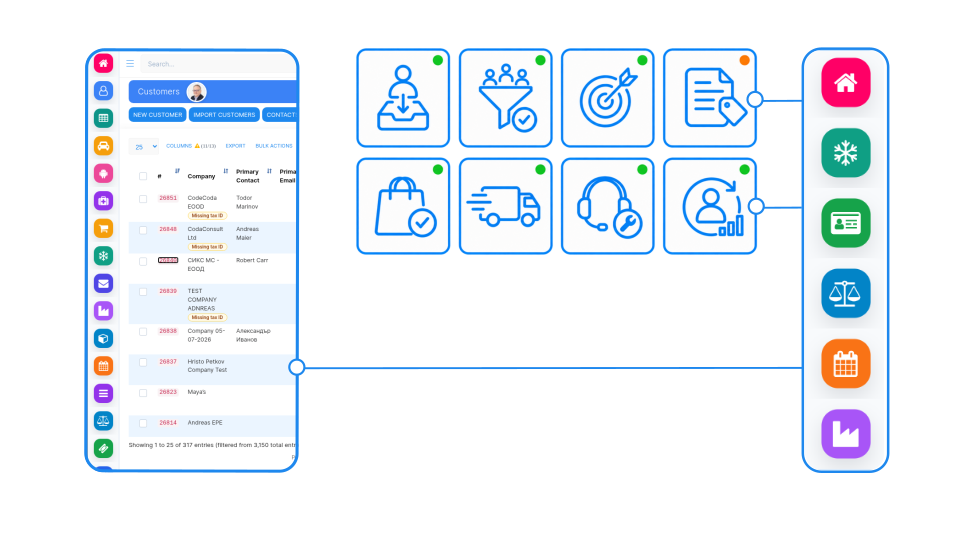
Every support request, repeated workaround, or new business requirement shows where the system can improve. SIX evaluates the need, identifies the right response, and coordinates configuration changes, integration adjustments, user guidance, or focused development. Each improvement is tested, documented, and introduced carefully so your ERP becomes more valuable without creating unnecessary risk or disruption.
Post-integration support keeps SIX ERP dependable as users, processes, connected systems, and regulations evolve. We resolve operational issues, protect system performance, and turn real business feedback into controlled improvements that create lasting value.

We investigate problems within the complete business process—not only the screen where an error appears. This helps identify the real cause and prevents the same issue from returning.
Support requests are assessed according to urgency, affected users, and operational importance. Critical processes receive the attention needed to reduce disruption and keep work moving.
We help employees understand workflows, use functions correctly, and solve practical questions. Clear guidance builds confidence and reduces repeated mistakes or workarounds.
When processes, integrations, or settings are disrupted, SIX helps restore normal operations. Solutions are introduced carefully to avoid creating new problems elsewhere in the system.

We review system behavior, resource use, recurring errors, and performance concerns. Early identification helps prevent smaller technical issues from affecting daily operations.
Integrations with accounting systems, online shops, machines, portals, and external services are monitored and maintained. Failed or incomplete data transfers can be identified and corrected quickly.
SIX ERP updates are planned, tested, and introduced with consideration for your configuration and custom functions. This keeps the system current without putting established workflows at unnecessary risk.
User permissions, roles, sensitive data, and important system controls are reviewed as teams and responsibilities change. This helps protect information while keeping work accessible to the right people.
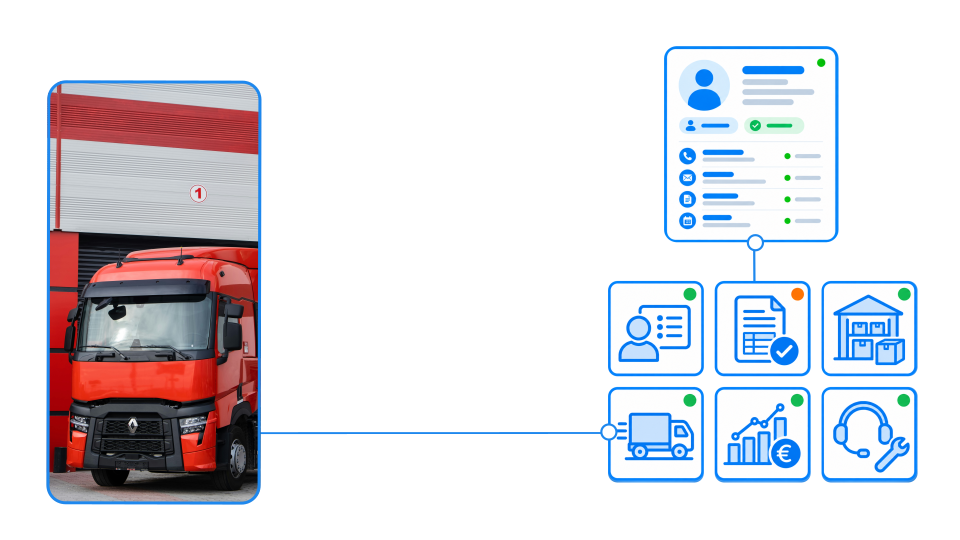
Support requests, user feedback, repeated workarounds, and operational data reveal where improvements are needed. We use this insight to identify practical opportunities for change.
Processes can be simplified as teams gain experience with the system. SIX adjusts configurations, notifications, approvals, and automations to reduce manual work and improve consistency.
New locations, services, products, regulations, or responsibilities can create new ERP requirements. We help adapt the system while protecting the processes that already work.
When configuration alone is not enough, SIX evaluates focused integrations or custom development. Every extension is assessed, tested, documented, and introduced according to clear business value.
Learn how to calculate the inventory turnover ratio, understand what the result means, and use it to make better inventory decisions.

A sustainability and compliance guide for manufacturers and importers

Learn what an ERP system is, how ERP software connects sales, finance, inventory and production, and how to choose and implement the right solution for your business.

A practical guide to Bulgarian compliance with DPP, EPR, PPWR and NIS2—covering product data, packaging, cybersecurity and business readiness.
Tell us where you are in your ERP journey—planning, implementation, or ongoing support. Our consultants will help you identify the right service path and explain what the next stage should involve.
Post-integration support includes user assistance, issue investigation, system monitoring, integration maintenance, controlled updates, and workflow optimization. SIX helps keep the system reliable while ensuring it continues to support real daily operations.
Requests are assessed according to urgency, business impact, affected users, and the importance of the process involved. Critical operational issues receive priority, while lower-risk improvements are reviewed and planned in a controlled way.
Updates are reviewed with your configuration, integrations, and custom functions in mind. Relevant changes are tested before release, documented, and introduced carefully to protect established workflows and system stability.
Yes. SIX can refine workflows, permissions, reports, automations, integrations, and system configurations as your organization evolves. When a larger extension is required, we evaluate its value, risk, and long-term impact before planning the change.