


Learn how to calculate the inventory turnover ratio, understand what the result means, and use it to make better inventory decisions.


Understand and prepare for the practical caveats of EPR implementation and prepare for compliance around EPR, PPWR and DPP. Achieve real-world compliance before it is too late — January 15, 2027.
Your ERP should not force your business into a rigid template. Guided by the SIX 7-Step Consultation Flow, we turn approved processes, data requirements, and integration needs into a practical solution—configured for your teams and ready to support daily work from the start.
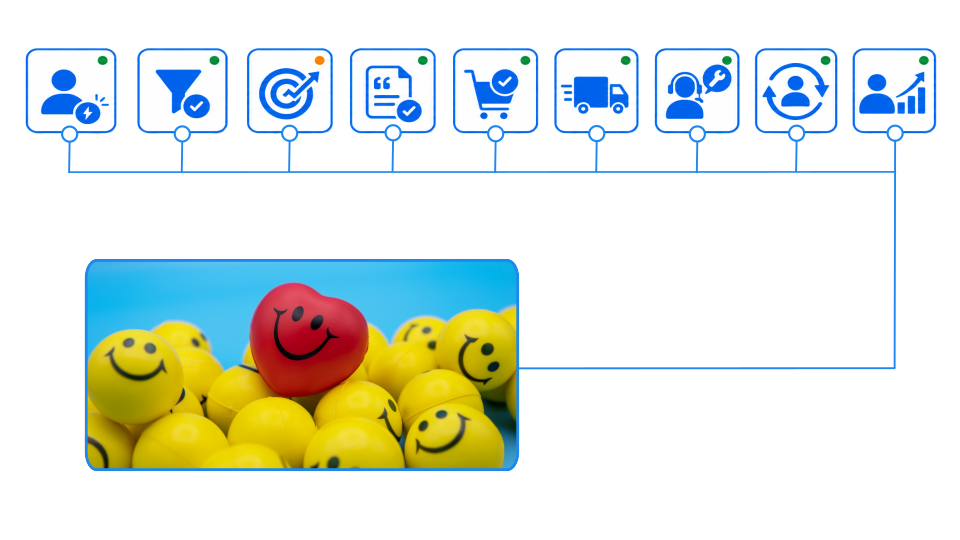
Configuration defines how roles, workflows, approvals, and controls operate inside SIX ERP. Integration connects the systems, machines, portals, and data sources your business still needs. Where standard functions are not enough, focused customization closes the gap without creating unnecessary complexity.
Turn approved workflows into clear roles, permissions, approvals, rules, and system settings. Every configuration follows the business requirements defined through the SIX 7-Step Consultation Flow.
Integrate SIX ERP with accounting platforms, machines, portals, online services, and existing business tools. Information moves securely between systems without repeated entry or disconnected records.
Extend standard functionality when your processes require something specific. Each customization solves a defined business need while protecting usability, performance, and future system updates.
Validate complete workflows with real business scenarios before go-live. After launch, SIX supports adoption, monitors results, and improves the solution as your needs continue to evolve.
A new ERP should not force you to replace every useful system at once. SIX connects the tools your business still needs and brings their data into one controlled operating flow.
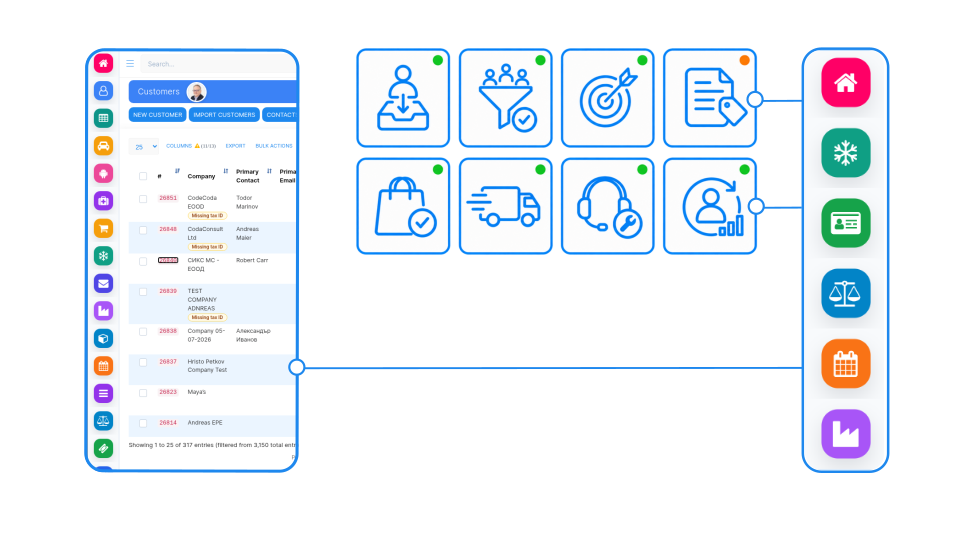
SIX integrates accounting platforms, online shops, supplier portals, machines, barcode devices, payment services, and other specialist tools. Information moves automatically between systems, giving every team current data while reducing repeated entry, errors, and delays. Each connection is planned, tested, and documented to support reliable daily work.
SIX turns the requirements defined through the 7-Step Consultation Flow into a working ERP solution. We connect your technology landscape, configure the system around real processes, and add focused customizations where they create clear business value.

Identify every application, machine, portal, database, and external service that must connect with SIX ERP. Define which system owns each type of information and where updates should begin.
Specify what data moves, when it moves, and how it is validated. Plan APIs, authentication, error handling, synchronization rules, and protection for sensitive business information.
Connect accounting platforms, online shops, supplier portals, payment services, production equipment, barcode devices, and specialist applications without disrupting daily operations.
Test normal cases, failures, duplicate records, and unavailable services before launch. Monitor every connection after go-live so problems can be identified and corrected quickly.
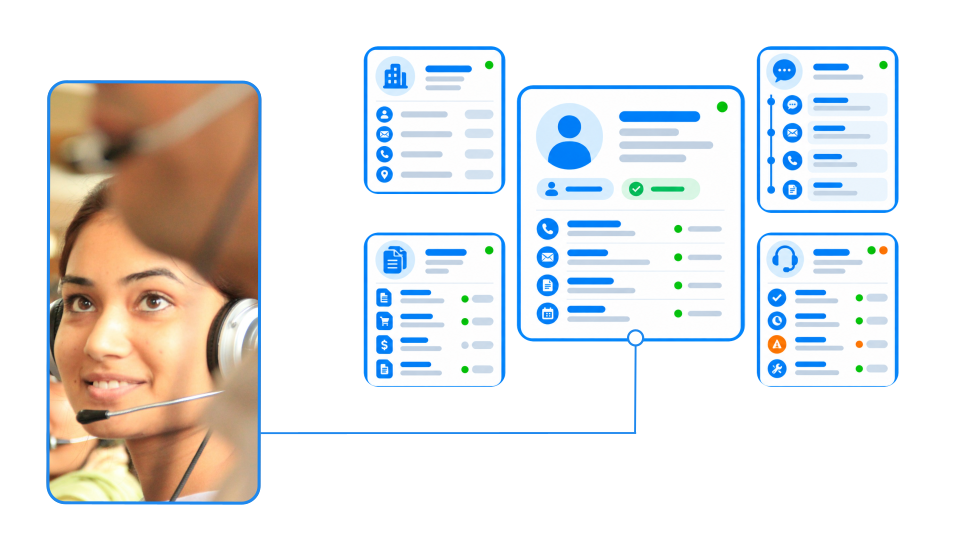
Configure companies, locations, departments, warehouses, currencies, tax settings, document types, and master data to create the correct operational foundation.
Give each user the right access, responsibilities, and approval limits. Clear permissions protect sensitive data while allowing teams to complete their work without unnecessary barriers.
Set statuses, notifications, validation rules, automations, reports, and management dashboards around the way your business operates and measures performance.
Test complete processes with key users—from the first request through delivery, invoicing, and reporting. Adjust the configuration before teams begin working in the live system.
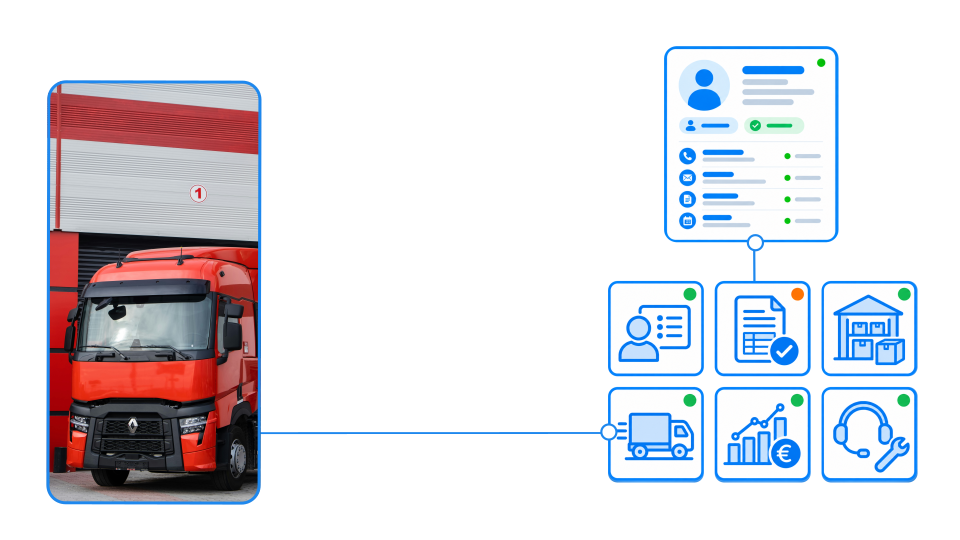
Review each requested customization against its cost, benefit, risk, and long-term importance. Extend the system only where standard functions cannot meet a real business requirement.
Define how the customization should behave, who will use it, which data it needs, and how it connects with existing SIX ERP workflows and controls.
Develop the extension in a controlled environment. Test it with realistic data and involve the employees who will depend on it during daily work.
Release the customization safely, document how it works, and include it in future testing and update planning. This protects reliability as SIX ERP and your business continue to evolve.
Learn how to calculate the inventory turnover ratio, understand what the result means, and use it to make better inventory decisions.

A sustainability and compliance guide for manufacturers and importers

Learn what an ERP system is, how ERP software connects sales, finance, inventory and production, and how to choose and implement the right solution for your business.

A practical guide to Bulgarian compliance with DPP, EPR, PPWR and NIS2—covering product data, packaging, cybersecurity and business readiness.
Tell us where you are in your ERP journey—planning, implementation, or ongoing support. Our consultants will help you identify the right service path and explain what the next stage should involve.

SIX turns the requirements defined through the 7-Step Consultation Flow into a working ERP solution. This includes system configuration, data migration, user roles, workflows, reports, integrations, testing, documentation, training support, and focused custom development where required.
Configuration uses existing SIX ERP functions and settings to match your structure, roles, approvals, workflows, and business rules. Customization adds or changes functionality when a specific requirement cannot be met through standard configuration alone.
Yes. SIX can connect with accounting platforms, online shops, supplier portals, payment services, databases, production equipment, barcode devices, and other specialist applications. Each integration is reviewed for technical feasibility, data ownership, security, and reliability before development begins.
Every connection and customization is tested, documented, and included in future maintenance planning. SIX monitors critical data flows, responds to errors, and verifies compatibility during system updates so your solution remains stable as your business and technology landscape evolve.