


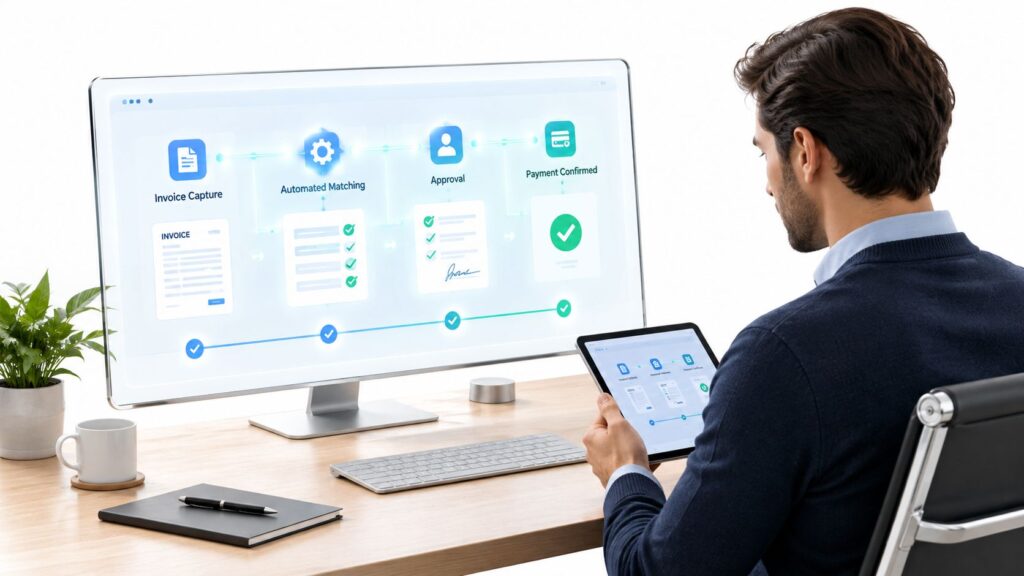
Accounts Payable Automation Process That Actually Works
Learn how accounts payable automation connects invoice capture, matching, approvals, and payment to reduce manual work and improve financial control.
Home » Industries » ERP for Enterprise & Corporate


Understand and prepare for the practical caveats of EPR implementation and prepare for compliance around EPR, PPWR and DPP. Achieve real-world compliance before it is too late — January 15, 2027.
SIX ERP gives corporate and growing businesses the connected tools, performance, and control they need—without the complexity of traditional enterprise software. The platform adapts to group and company workflows, connects every team, and is fully managed by SIX so you can focus on customers, operations, and growth.

Start with the processes that run the organization today—CRM, sales, purchasing, inventory, projects, finance, HR, manufacturing, or field service—and expand without changing platforms. Every module shares the same data, so teams, sites, and subsidiaries work from one operational picture. Approvals, handovers, and reporting stay connected end to end, while SIX manages the technology behind it.
SIX manages hosting, infrastructure, updates, backups, and system maintenance. Corporate and business teams get a reliable operating platform without building and staffing a dedicated internal ERP function.
Transparent licensing supports group planning and budgeting. Add users, companies, and capabilities as the organization grows—without assembling a patchwork of separate tools and contracts.
Configure SIX ERP around how the group and each company actually operate. Add integrations and focused custom features where they create value, without making day-to-day work harder.
Every SIX ERP client runs in a separate, isolated instance. That gives clear data separation, stronger control across entities, and room to scale the system as the business develops.
As organizations grow, responsibility becomes distributed across companies, locations, departments, warehouses, and management teams. SIX ERP gives you one controlled operating foundation for the entire organization—while allowing each entity and team to work according to its own responsibilities, approvals, and local requirements.
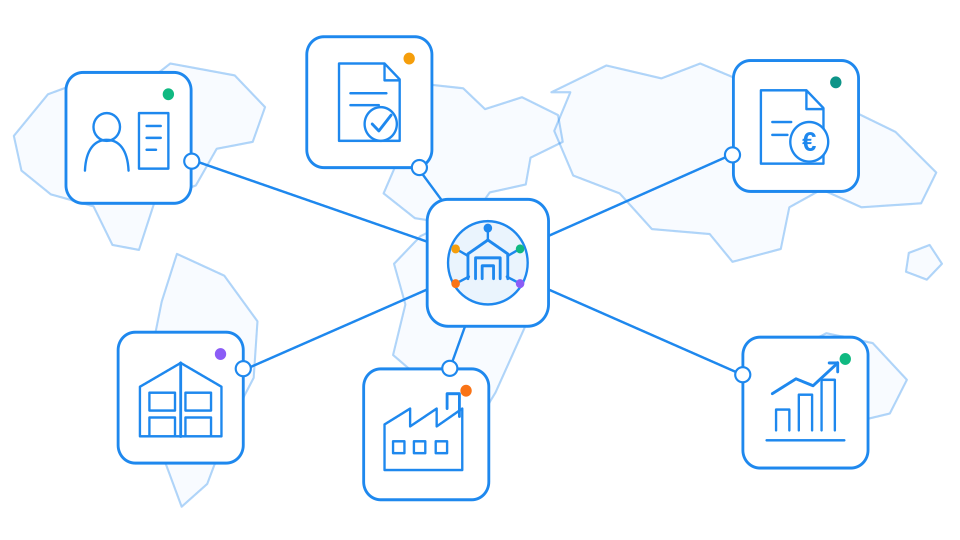
Larger organizations need more than connected modules. They need a clear operating model across companies, locations, departments, and responsibilities. SIX ERP gives leadership the structure, governance, security, and continuity required to manage complexity while allowing each team to work effectively.

Manage companies, branches, locations, departments, warehouses, and operating units within one controlled SIX ERP environment. Define how information, responsibilities, approvals, and reporting flow across the group.
Configure roles, permissions, approval limits, segregation of duties, and escalation paths around corporate policy. Every action remains associated with the responsible user, department, company, and business process.
Give executives a group-wide view of performance while preserving the transaction-level detail required by local companies and operational teams. Compare entities, locations, cost centers, projects, and business units from one consistent information base.
Bring commercial, operational, financial, workforce, inventory, service, and manufacturing information together. Leadership can act on current, traceable information instead of reconciling conflicting reports from separate systems.

Each client operates in a separate, managed SIX ERP environment with controlled access to business information. Permissions, company boundaries, and responsibilities can be configured to reflect the structure of the organization.
Define which system owns each record and how information may be created, changed, transferred, or approved. Clear ownership reduces duplication, conflicting versions, and uncontrolled changes across connected applications.
Track important changes to records, documents, approvals, responsibilities, and transactions. Traceability helps management investigate issues, demonstrate accountability, and support internal and external audits.
Standardize approval rules, document controls, validation requirements, retention practices, and operational procedures across the group. Local flexibility can be maintained without weakening corporate governance.

Design processes around dependable workflows, managed infrastructure, backups, monitoring, and controlled system maintenance. Teams retain access to the information required to continue serving customers and operating the business.
Define recovery responsibilities, escalation procedures, data protection requirements, and continuity priorities before disruption occurs. A structured approach helps the organization respond consistently when systems, people, suppliers, or locations are affected.
Add companies, sites, warehouses, teams, workflows, integrations, and reporting structures without rebuilding the operating foundation. New business units can adopt a governed model while preserving the flexibility required for local operations.
Support reorganizations, acquisitions, new markets, regulatory requirements, and evolving operating models through controlled configuration and focused extensions. SIX ERP can adapt as the organization changes without turning every change into a separate system project.
Learn how accounts payable automation connects invoice capture, matching, approvals, and payment to reduce manual work and improve financial control.
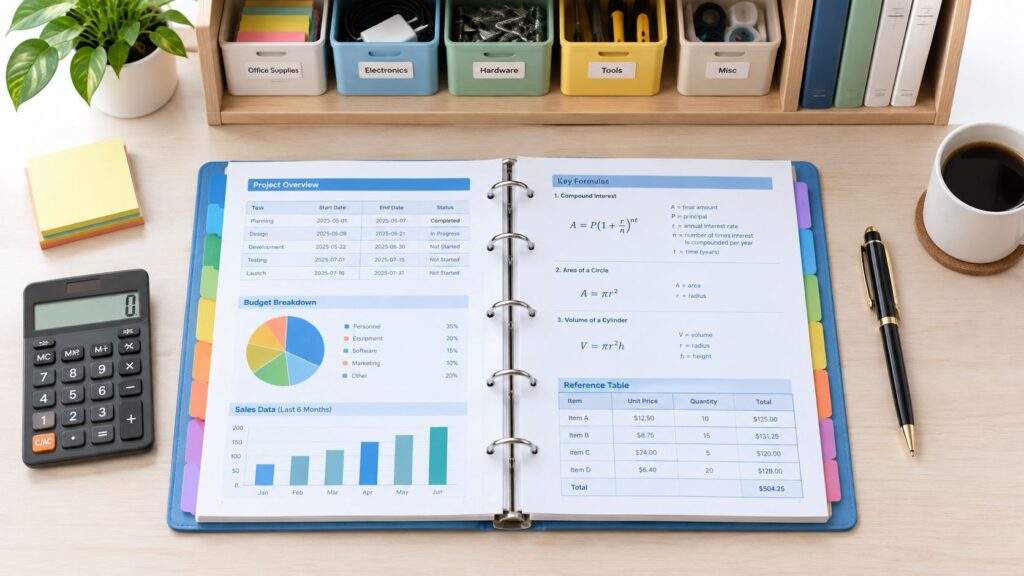
Learn how to calculate the inventory turnover ratio, understand what the result means, and use it to make better inventory decisions.

A sustainability and compliance guide for manufacturers and importers

Learn what an ERP system is, how ERP software connects sales, finance, inventory and production, and how to choose and implement the right solution for your business.
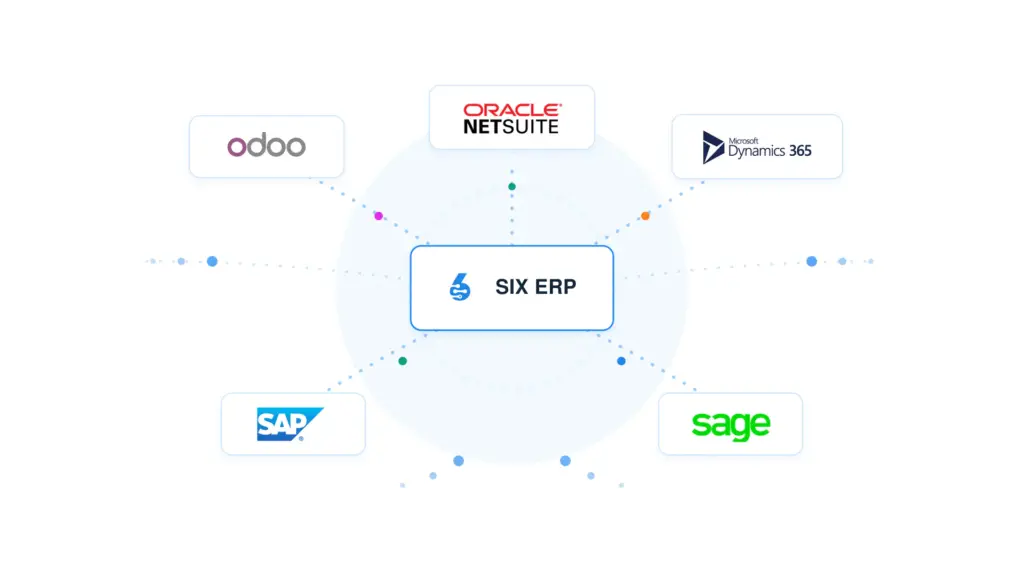
Compare SIX ERP with Odoo, Oracle NetSuite, Microsoft Dynamics 365, SAP, and Sage across licensing, users, modules, scalability, customization, upgrades, support, and business continuity. Understand the strengths, limitations, and long-term trade-offs that matter before choosing your next ERP platform.
Yes. SIX ERP can structure companies, branches, departments, warehouses, cost centres, and operating units within one controlled environment. Each entity can retain its own responsibilities, workflows, approvals, and operational requirements while leadership maintains a consistent group-wide view.
The system can distinguish local transactions and responsibilities while allowing management to compare performance across entities, locations, projects, and business units. This gives corporate teams shared visibility without forcing every part of the organization into an identical operating model.
SIX ERP is operated in a separate, managed environment for each client. Access can be structured around companies, departments, locations, roles, responsibilities, and approval limits. This allows organizations to define who may view, create, change, approve, or export specific information.
Governance is supported through controlled workflows, segregation of responsibilities, data ownership rules, approval paths, and traceability. Important changes to records, documents, approvals, and transactions can be reviewed through the system’s audit history, helping management investigate issues and demonstrate accountability.
SIX ERP is designed to support continuity through managed infrastructure, backups, monitoring, controlled maintenance, and clearly defined operational responsibilities. During implementation, continuity priorities can be mapped for critical processes such as customer service, purchasing, inventory, manufacturing, field service, finance, and reporting.
Recovery responsibilities, escalation procedures, data protection requirements, and retention expectations should be defined as part of the organization’s operating model. This gives management a structured response when systems, employees, suppliers, facilities, or locations are affected by disruption.
Yes. SIX ERP can be extended as the organization changes. New companies, sites, warehouses, teams, workflows, integrations, and reporting structures can be introduced within the existing operating foundation.
The SIX 7-Step Consultation Flow helps define the required structure, data ownership, integrations, configuration, and change priorities before implementation. Focused customizations can then be added where they provide clear business value, while standard controls and governance are preserved. This supports controlled growth without creating a disconnected collection of systems for every new business unit.