Verified client implementations across manufacturing, field service and sales


Understand and prepare for the practical caveats of EPR implementation and prepare for compliance around EPR, PPWR and DPP. Achieve real-world compliance before it is too late — January 15, 2027.
Business Value in Practice
Real business value becomes visible when teams can move work forward with shared, reliable information. These verified implementations show SIX ERP supporting manufacturing, field service and sales in daily operations.
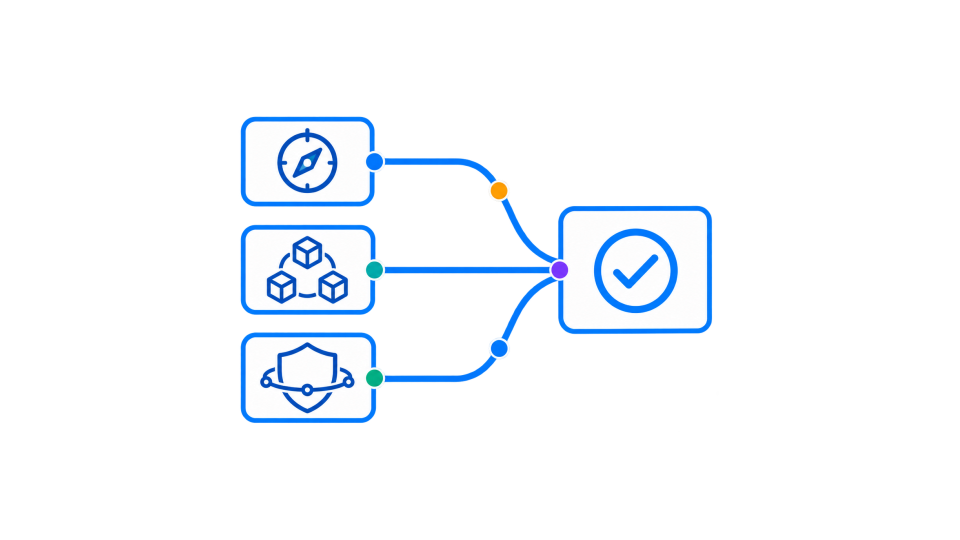
Three Implementations. Three Ways to Move Work Forward.
Nachevi is moving from Excel-driven soft-furniture manufacturing toward full production automation with SIX ERP. STILL began with the Generic ERP variant, using SalesFlow, CustomerFlow and FinanceFlow to manage sales, then expanded to ServiceFlow across the organization. Around 40 field technicians use it for their day-to-day work, with the service process continuing through invoice generation. Cantek has used SalesFlow automation for more than three years to generate fully attributed proposals and drive its sales organization. Together, these implementations show how SIX ERP adapts to the way each business operates and connects work across teams.
Nachevi is transforming Excel-driven soft-furniture production into an automated process, connecting production planning, materials, work orders and execution.
STILL began with Generic ERP for sales, using SalesFlow, CustomerFlow and FinanceFlow before extending the system to field service.
ServiceFlow is fully implemented across STILL, supporting around 40 technicians in their daily work from service execution through invoice generation.
For more than three years, Cantek has used SalesFlow automation to generate fully attributed proposals and support its sales organization.
SIX ERP creates business value by connecting work that otherwise passes through separate teams and records. The examples in this brief show three different ways organizations use SIX ERP in practice: Nachevi is transforming Excel-driven soft-furniture manufacturing into automated production; STILL expanded from a Generic ERP foundation for sales into ServiceFlow, now implemented across the organization for around 40 field technicians; and Cantek has used SalesFlow automation to generate fully attributed proposals and drive its sales organization for more than three years.
These are operational examples, not hypothetical product demonstrations. They show how SIX ERP can support a business as its needs develop—from an integrated foundation, to company-wide field service, to production execution and sales automation. The brief describes the verified workflows and the business control they provide. It does not assign unverified financial values or claim that every benefit can be reduced to a single percentage.
Client | Verified operating context | What SIX ERP supports |
Nachevi | Soft-furniture manufacturing; moving from Excel-driven operations toward full production automation | Production planning and work orders, BOM-based manufacturing, pre-production, materials and consumption control, shop-floor progress and traceability |
STILL | Began with the Generic ERP variant for sales; subsequently expanded ServiceFlow across the organization | Sales managed through SalesFlow, CustomerFlow and FinanceFlow; day-to-day ServiceFlow for around 40 technicians; service process completed through invoice generation |
Cantek | Sales organization has used the solution for over three years | SalesFlow automation that generates fully attributed proposals and supports the sales organization |

Nachevi’s case demonstrates extensive SIX ERP production capabilities in a transformation from Excel-driven operations toward full production automation. The production environment must coordinate customer demand, manufacturing orders, product structures, component preparation, material consumption, capacity, execution and finished output in a traceable process.
The soft-furniture process includes pre-producing components such as frames, pillows, fabrics and Dunapren ahead of final production—sometimes by up to two weeks. Production planning therefore needs to distinguish component preparation from final assembly and record material use at the stage where it actually occurs. This supports a more dependable view of what has been planned, consumed, produced and remains to be completed.
The wider transformation also considers logistics constraints, multiple manufacturing orders against a sales-order line, collective BOM planning and warnings when a BOM is missing. These controls help align manufacturing decisions with the actual order and material situation rather than with disconnected spreadsheets.
The demonstrated value is the move toward a controlled production record across planning, materials and execution. Managers can use the same structured information to understand order status, material readiness and production progress. Teams can identify exceptions in the production process and act on them within the system’s workflow, while retaining the information needed for operational review and financial reconciliation.
A planned SIX ERP ↔ Ajur/BSOFT accounting connection is part of the broader transformation context. It should be described as planned until its implementation status is confirmed. The same applies to any specific SAF-T or DPP outcome: improved production and consumption data can support readiness, but regulatory compliance requires separate validation of configuration, controls and current requirements.

STILL initially used the SIX Generic ERP variant to manage sales through SalesFlow, CustomerFlow and FinanceFlow. As needs expanded, the organization added ServiceFlow. ServiceFlow is now fully implemented across the organization and supports the day-to-day work of around 40 field technicians.
The service process is managed from start to finish, with invoice generation as its final stage. This connects field execution with the surrounding customer, sales and financial processes on the same SIX ERP foundation. The implementation illustrates how a business can begin with core ERP functions and extend into a larger operational workflow as requirements grow.
By implementing ServiceFlow across the organization, STILL has connected the daily work of around 40 field technicians to a continuous service process that ends with invoice generation. What began as a sales-focused Generic ERP environment has grown into an integrated field-service operation, linking customer and sales management with service delivery and financial processing on the same SIX ERP foundation.
The core value is organizational continuity: sales and customer management are connected with service delivery, and completed service work progresses into invoice generation. Technicians and office teams operate within the same service process, giving the organization a common operational structure from customer need through service completion and billing.
The implementation also demonstrates scalability in scope. STILL began with a Generic ERP configuration and added ServiceFlow as the business process required it, retaining the connected ERP foundation rather than treating field service as a separate system.

Cantek has used SalesFlow-based automation for over three years. The system primarily generates fully attributed proposals and drives the sales organization. Proposal generation is therefore part of the managed sales process, rather than a document step detached from customer and sales activity.
The proposal workflow supports the sales team with an automated, attributable output that can be managed in the context of its customer and sales responsibilities. The exact attribution fields depend on Cantek’s configuration; the key verified point is that proposals are fully attributed through the SalesFlow process.
After more than three years in use, SalesFlow is an established part of Cantek’s sales operation. Its automation creates fully attributed proposals within the sales process, connecting proposal preparation with customer and sales activity. Cantek’s experience shows how SIX ERP can make proposal generation a repeatable process that supports the wider sales organization.
The verified value is sustained operational use: SalesFlow has supported Cantek’s sales organization for more than three years, automating proposal generation and preserving attribution. This gives the business a repeatable way to produce proposals within its sales process and supports clearer management of sales activity.
The brief does not claim a conversion-rate increase, shorter proposal cycle, or revenue improvement without customer-approved before-and-after evidence. Those measures can be added if Cantek’s records establish the comparison and the client approves publication.
These three implementations show different business needs—and how SIX ERP supports them through connected, operational workflows.
Business need | SIX ERP response demonstrated in the cases |
Replace spreadsheet-driven production control | Nachevi uses SIX ERP production capabilities to move toward full production automation, with structured manufacturing, BOMs, materials and work-order execution |
Extend a core ERP into field operations | STILL expanded from Generic ERP sales functions into organization-wide ServiceFlow for around 40 technicians, through to invoice generation |
Make sales proposals part of a managed sales process | Cantek has used SalesFlow automation for over three years to generate fully attributed proposals and support the sales organization |
Preserve connected business context | Sales, customer, service, production and financial work can progress through connected SIX ERP records and workflows |
Together, the cases show how SIX ERP can serve different starting points and grow with the business. Nachevi has moved from spreadsheet-driven production toward full production automation; STILL extended its ERP foundation into organization-wide field service; and Cantek has used SalesFlow to support its sales organization for more than three years. In each case, SIX ERP connects the work to the people and processes involved, creating a practical operating foundation that can adapt as business needs evolve.
Across three SIX ERP implementations, measured improvements span production, purchasing, field service and sales. The results below compare each company’s earlier process with its SIX-enabled workflow. They are specific to these implementations and should be read as client outcomes, not universal performance benchmarks.
Nachevi, STILL and Cantek demonstrate three tested and verified SIX ERP use cases: production automation in a complex soft-furniture environment; organization-wide field-service management for around 40 technicians, from an initial Generic ERP deployment through invoice generation; and more than three years of SalesFlow automation for fully attributed proposals and sales-team operations.
Together, these cases show how SIX ERP can support different operating models and expand with the organization—from production control, to field execution, to sales automation. They provide a credible foundation for a SIX business brief. A future IDC-authored publication would require a separate IDC research engagement and IDC approval; this document should remain identified as SIX-authored.
Tell us how work moves through your business—from the first customer request to production, service, sales, or invoicing. Together, we’ll explore the SIX ERP flow that fits your needs and where it can take you next.