



SIX PurchaseFlow®

Smarter purchasing - from internal demand to supplier delivery.

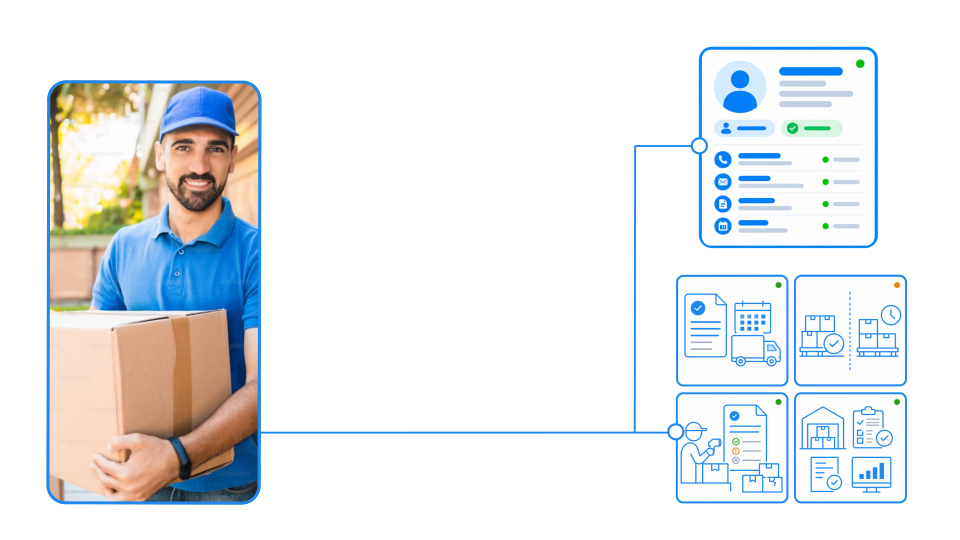
SIX PurchaseFlow connects purchase requests, supplier offers, approvals, purchase orders and incoming deliveries in one controlled process. Give purchasing, warehouse, manufacturing and finance teams a shared view of what is required, what has been ordered, when it should arrive and what has actually been received.

Understand and prepare for the practical caveats of EPR implementation and prepare for compliance around EPR, PPWR and DPP. Achieve real-world compliance before it is too late — January 15, 2027.

Every purchasing need. One connected procurement process.

Your teams should not have to manage purchase requests, supplier quotations, approvals, orders and incoming deliveries across disconnected systems. SIX PurchaseFlow connects purchasing with warehouse, manufacturing, sales and finance—giving everyone a current view of what is required, approved, ordered, expected, received or still outstanding.

Turn every requirement into a controlled purchasing flow

From the moment a department identifies a need, every responsible team works with the same current information. Create purchase requests, compare supplier quotations, manage approvals, issue purchase orders and monitor expected delivery dates in one connected process.

SIX PurchaseFlow helps you avoid unauthorized spending, reduce supplier delays and maintain control over prices, quantities and commitments. When goods arrive, purchasing data continues directly into receiving, warehouse inventory, invoice control and financial processing.

Purchasing, Procurement and Supplier Management

Capture every procurement need

Turn material shortages, production demand, stock replenishment and departmental requests into structured purchase requirements. Give purchasing a clear view of what is needed, in what quantity, for which purpose and by when.

Compare suppliers with confidence

Collect and evaluate supplier quotations using prices, delivery times, quantities and commercial terms. Select the most suitable offer while keeping the complete sourcing decision visible and traceable.

Control approvals and commitments

Route purchase requests and orders through the required approval process before commitments are made. Maintain control over authorized quantities, agreed prices, responsible users and order status.

Track every order through receipt

Monitor what has been ordered, confirmed, partially delivered, received or remains outstanding. Connect purchase orders directly with incoming goods, warehouse inventory, supplier invoices and financial processing.

How it works

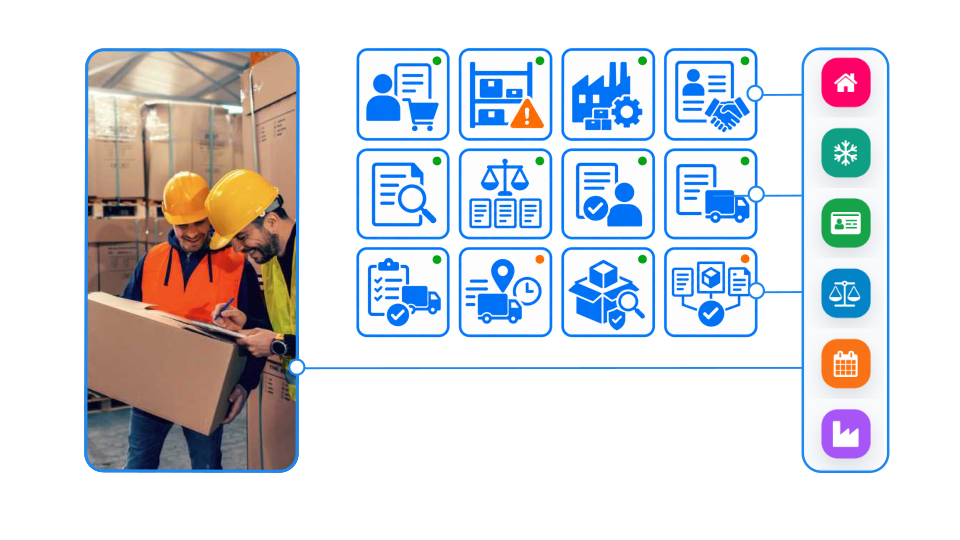
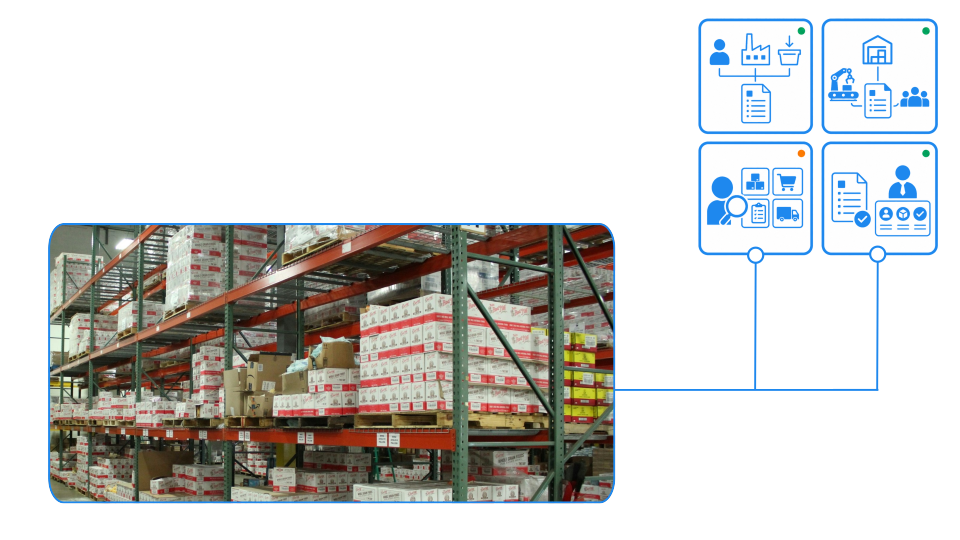
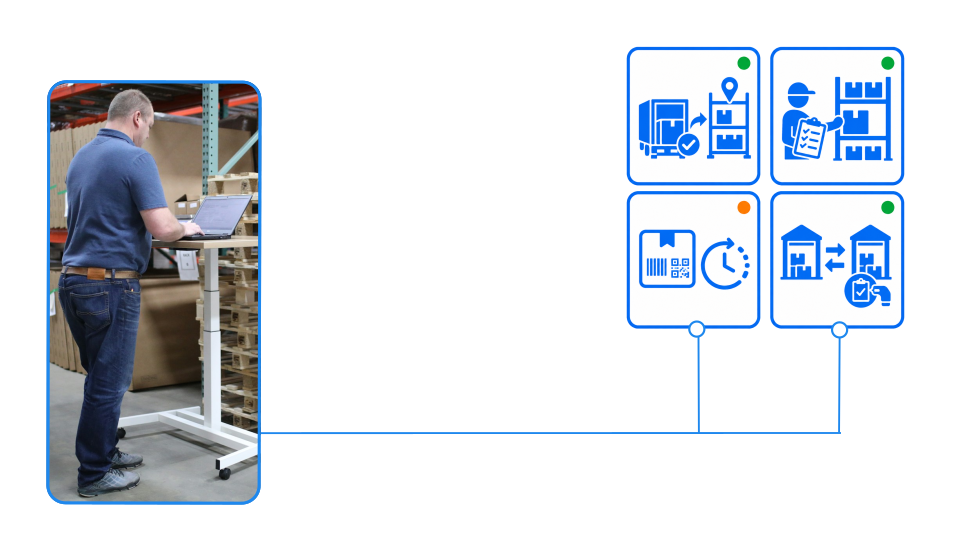
SIX PurchaseFlow connects every stage of procurement, from demand planning and purchase requests (PR) to supplier selection, purchasing, goods receiving, and invoice matching. Purchasing requirements originate from SalesFlow customer orders, ManufacturingFlow material requirements (MRP), and StockFlow inventory levels, reorder points, and replenishment rules. Purchase requisitions move through approval workflows before generating requests for quotation (RFQ), supplier bids, and price comparisons. Approved offers become purchase orders (PO), with agreed prices, quantities, delivery dates, lead times, and payment terms. Suppliers confirm orders, while purchasing teams monitor expected deliveries, backorders, and outstanding commitments. Incoming goods are received through StockFlow, where quantities, quality checks (QC), and stock movements are recorded. Supplier invoices are matched against purchase orders and goods receipts using three-way matching, connecting procurement with FinanceFlow for accounts payable (AP), payments, and cost control. Every request, approval, order, receipt, and invoice remains traceable, creating one connected procure-to-pay (P2P) process with real-time visibility into purchasing costs, supplier performance, and material availability.

From purchase requirement to verified delivery

Connect every stage of procurement—from internal demand and supplier quotations to approvals, purchase orders, delivery monitoring and goods receipt. SIX PurchaseFlow keeps purchasing, warehouse, manufacturing and finance teams working from the same current order and supplier information.

Control every supplier, order and commitment in one system

SIX PurchaseFlow centralises supplier records, quotations, agreed prices, delivery terms and purchase orders while clearly showing what is requested, approved, ordered, confirmed, partially received or still outstanding.

Create purchasing requirements from stock replenishment, manufacturing demand or internal requests. Compare supplier offers, control approvals, monitor expected delivery dates and connect received goods directly with warehouse inventory and invoice processing. This gives your business clearer spending control, more reliable supply and complete visibility from initial requirement to final receipt.

Know what you need. Know who can supply it. Buy with confidence.

SIX PurchaseFlow connects purchase requirements, supplier quotations, approvals, purchase orders and incoming deliveries in one controlled procurement process. Give purchasing, warehouse, manufacturing and finance teams a reliable view of what is needed, ordered, expected, received or still outstanding.

Capture Purchasing Needs at the Source

Turn departmental requests, manufacturing requirements and inventory shortages into structured purchase demand. Record what is needed, in what quantity, for which purpose and by when.

Connect Requirements with Actual Demand

Link purchasing needs with stock replenishment, manufacturing orders, internal requests or other operational demand. Help buyers understand why each item is required before placing an order.

Review Requirements Before Ordering

Bring related purchasing needs together for review. Check current stock, existing reservations, open purchase orders and expected receipts before creating another supplier commitment.

Approve Purchases with Control

Route purchase requests through the required approval process. Keep requested quantities, estimated costs, responsible users and approval decisions visible before an order is issued.

Keep Supplier Information Organized

Maintain supplier records, contact details, offered products, commercial terms and purchasing history in one place. Give buyers the information they need when selecting a source.

Compare Supplier Quotations Clearly

Evaluate quotations by price, quantity, delivery time, payment terms and other commercial conditions. Compare complete offers instead of choosing a supplier based only on the lowest unit price.

Select the Most Suitable Offer

Choose the supplier that provides the best overall result for the requirement. Consider cost, availability, delivery reliability and agreed terms before confirming the purchase.

Create Controlled Purchase Orders

Convert approved requirements and selected quotations into structured purchase orders. Record ordered items, prices, quantities, delivery dates, warehouses and commercial terms in one controlled document.

Monitor Expected Deliveries

Track supplier confirmations and planned delivery dates for every open purchase order. Give warehouse, manufacturing and other affected teams visibility into what should arrive and when.

Manage Partial and Delayed Orders

Separate received quantities from quantities that remain outstanding. Identify partial deliveries, shortages and late orders early enough to protect production schedules and customer commitments.

Receive Goods Against the Original Order

Compare delivered items and quantities with the approved purchase order. Record accepted, damaged, rejected or pending quantities before goods become available in warehouse inventory.

Continue into Inventory and Finance

Transfer confirmed receipts into SIX StockFlow and connect purchasing information with supplier invoice control and financial processing. Preserve a complete record from the original requirement to the received goods and final cost.

See other SIX ERP Resources

Lean production software connects materials, purchasing, production planning, and shop-floor operations to reduce waste and prevent costly delays. Discover how SIX ManufacturingFlow uses real-time data, BOM management, Engineering Change Orders, and production tracking to improve efficiency and support continuous improvement.

Read More >
Business owner comparing records before choosing software

ERP vs accounting software for Bulgarian SMEs: key differences, a feature and cost table, SAF-T and e-invoicing checks, and how to migrate without losing data.

Read More >
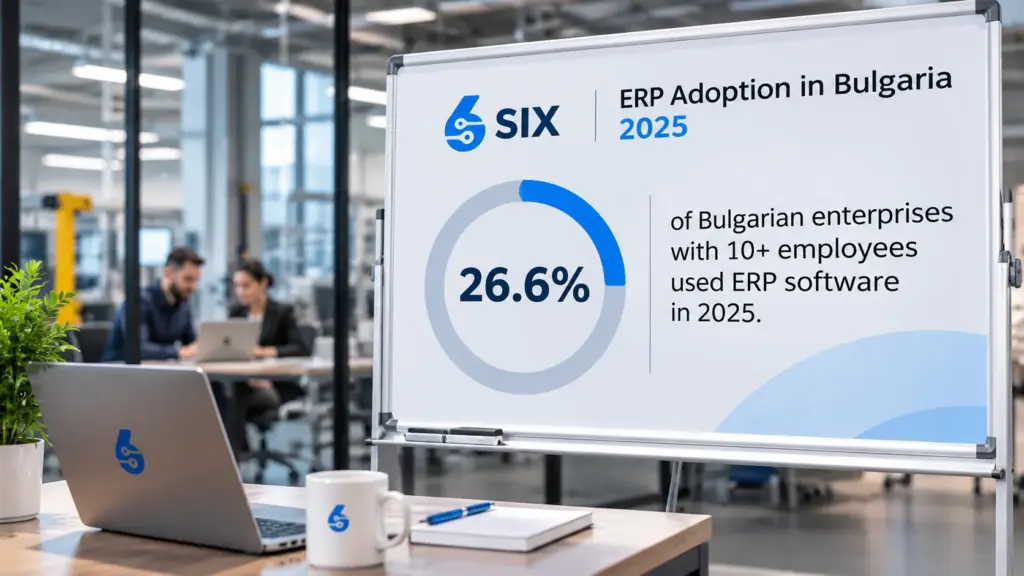
ERP Adoption in Bulgaria.

Bulgaria’s ERP adoption reached just 26.6% in 2025, far below the EU average. Discover why this digital gap matters and how connected business processes, automation, and SIX ERP can help companies become more competitive in 2027.

Read More >

What is an audit log? Learn which ERP events to record, how to investigate them and how to set retention under GDPR for security and compliance.

Read More >

Industries

SIX PurchaseFlow is a comprehensive Procurement and Purchasing Management solution designed for businesses across virtually every industry. Whether purchasing raw materials, components, finished goods, equipment, or services, PurchaseFlow connects demand planning, supplier management, RFQs, purchase orders, approvals, goods receiving, and invoice matching in one integrated process. By connecting ManufacturingFlow, StockFlow, SalesFlow, ProjectFlow, and FinanceFlow, businesses can automate replenishment, control purchasing costs, manage supplier relationships, and maintain complete visibility over their procurement activities, regardless of company size or industry.

Field Services Industry Workflowss

Industries We Serve

Furniture & Industrial Manufacturing

Wholesale Distribution & Trading

Food, Beverage & Dairy Production

Retail, E-Commerce & Consumer Goods

Automotive, Machinery & Equipment

Healthcare, Medical Devices & Pharma

Construction & Building Materials

Logistics, Transport & Warehousing

Electronics & Technology

Energy, Utilities & Infrastructure

And many more industries, including chemicals, plastics, textiles, agriculture, packaging, metalworking, printing, telecommunications, real estate, education, public institutions, and businesses managing complex supplier networks or multiple purchasing locations.

Resources

From Business Need to Supplier Delivery

Effective procurement begins long before a purchase order is issued. Learn how SIX PurchaseFlow connects demand, approvals, supplier quotations, ordering, delivery monitoring, goods receipt and invoice control—creating one transparent purchasing process from the initial business need to final supplier delivery.

Frequently Asked Questions

Solutions PurchaseFlow Frequently Asked Questions

  • SIX PurchaseFlow is the purchasing part of SIX ERP. It connects purchase requests, supplier quotations, approvals, purchase orders and incoming deliveries in one controlled process. Purchasing, warehouse, manufacturing and finance teams share one view of what is required, what has been ordered, when it should arrive and what has actually been received.

  • SIX ERP provides implementation services directly: pre-integration consulting, integration and configuration, and post-integration support. This means the same team that configures PurchaseFlow around your purchasing process can support it after launch. To discuss your setup, request a demo and describe your purchasing process.

  • Yes. PurchaseFlow supports purchasing of raw materials, components, finished goods, equipment and services. Demand can also come from sales, service and project teams, so field-service and project businesses can run their purchasing through the same approval and order-tracking process.

  • Yes. Purchase requests, supplier quotations, approvals, orders and delivery tracking, which are often spread across spreadsheets and email, are managed in one controlled process. Supplier records, agreed prices and purchase history sit in one system, and purchasing connects directly to warehouse and finance.

  • A purchase request (PR) records an internal need: what is required, in what quantity, for which purpose and by when. After approval, a request for quotation (RFQ) collects supplier offers and price comparisons. The selected offer becomes a purchase order (PO), which records agreed prices, quantities, delivery dates, lead times and payment terms.

  • Yes. PurchaseFlow separates received quantities from outstanding quantities and flags partial deliveries, shortages and late orders. Manufacturing and warehouse teams see the same expected delivery dates as purchasing, so they can react before a delay reaches the production schedule or a customer commitment.

  • Material requirements from SIX ManufacturingFlow (MRP) feed directly into SIX PurchaseFlow as purchase requirements. Buyers see what production needs, review current stock and open orders, request supplier quotations and raise purchase orders. They then monitor delivery dates, so shortages and late orders are visible before they stop production.

  • Three-way matching compares a supplier invoice with the purchase order and the goods receipt before it moves on to payment. That confirms you are paying for what was ordered, at the agreed price, and what was actually received. It helps prevent overpayment and payment for goods that never arrived.

  • Yes. Supplier invoices are matched against purchase orders and goods receipts, and purchasing continues into SIX FinanceFlow for accounts payable, payments and cost control. Every request, approval, order, receipt and invoice stays traceable in one procure-to-pay process.

  • Yes. PurchaseFlow is designed for businesses that buy raw materials, components, finished goods, equipment or services, including Wholesale Distribution and Trading, Retail and E-Commerce, and Furniture and Industrial Manufacturing. It connects with SalesFlow, so customer orders can drive purchasing demand, and with StockFlow and FinanceFlow for receiving and payment control.

  • Yes. Each purchase order records the warehouse it is destined for, together with items, prices, quantities, delivery dates and commercial terms. When goods arrive, confirmed receipts transfer into SIX StockFlow, so warehouse inventory reflects what was actually received against the original order.

  • Yes. Purchasing requirements can originate from inventory levels, reorder points and replenishment rules in SIX StockFlow. Before ordering, buyers can check current stock, reservations, open purchase orders and expected receipts, so replenishment is based on actual demand and not on duplicate orders.

  • SIX PurchaseFlow links purchasing directly to SIX StockFlow, so a trading company sees current stock, open purchase orders and expected receipts in one place. Each purchase order records items, quantities, delivery dates and the receiving warehouse. Buyers can then see what is confirmed, partially delivered, received or still outstanding, and warehouse teams know what should arrive and when.

  • Purchase requirements can come from material shortages, production demand, stock replenishment and departmental requests. Each one becomes a structured purchase requirement that records what is needed, in what quantity, for which purpose and by when.

  • Yes. Purchasing needs can be linked with stock replenishment, manufacturing orders, internal requests or other operational demand, so buyers understand why each item is required before they place an order.

  • Before a new supplier commitment is created, you can review related purchasing needs together and check current stock, existing reservations, open purchase orders and expected receipts.

  • Purchase requests and orders are routed through the required approval process before commitments are made. Requested quantities, estimated costs, responsible users and approval decisions stay visible before an order is issued.

  • Quotations are evaluated by price, quantity, delivery time, payment terms and other commercial conditions. You compare complete offers instead of choosing only on the lowest unit price, and the full sourcing decision stays visible and traceable.

  • Supplier records, contact details, offered products, commercial terms, quotations, agreed prices, delivery terms and purchasing history are kept in one place for buyers.

  • Approved requirements and selected quotations are converted into structured purchase orders. Each order records the ordered items, prices, quantities, delivery dates, warehouses and commercial terms in one controlled document.

  • Yes. PurchaseFlow tracks supplier confirmations and planned delivery dates for every open purchase order. Warehouse, manufacturing and other affected teams can see what should arrive and when. Received quantities are separated from quantities that remain outstanding, so partial deliveries, shortages and late orders can be identified early.

  • Delivered items and quantities are compared with the approved purchase order. Accepted, damaged, rejected or pending quantities are recorded before the goods become available in warehouse inventory.

  • Confirmed receipts transfer into SIX StockFlow, and purchasing information connects with supplier invoice control and financial processing. This preserves a complete record from the original requirement to the received goods and final cost.

  • and describe your purchasing process, so a SIX specialist can show how PurchaseFlow fits it.

  • SIX PurchaseFlow connects purchase requirements, approvals, supplier quotations, purchase orders, delivery monitoring, goods receipt and invoice control. This creates one traceable process from the initial business need to the completed supplier delivery.

  • Yes. Buyers can evaluate supplier offers using price, quantity, delivery time, payment terms and other commercial conditions. This helps the company select the most suitable overall offer instead of making decisions based only on the lowest unit price.

  • SIX PurchaseFlow connects purchasing demand with current inventory, reservations, expected receipts and manufacturing requirements. Buyers can monitor confirmed delivery dates, outstanding quantities, partial receipts and overdue orders before delays affect production, sales or service.

  • SIX PurchaseFlow receives demand from SIX StockFlow, SIX ManufacturingFlow, Sales, Service and Projects. Confirmed receipts update warehouse inventory, while purchase orders, received quantities and supplier invoices continue into financial control and business reporting.