Mobile data collection is the ability to collect labor or material transactions on a handheld device. This allows organizations to track and manage their operations more effectively and efficiently. Mobile data collection can be used for various purposes, including inventory management, time tracking, and workforce management.
It can also help improve customer service by providing real-time information about product availability or delivery times. Additionally, mobile data collection can be used to track and manage field operations, such as sales or service calls.
Using mobile data collection, organizations can better utilize their resources, improve communication and collaboration, and ultimately achieve better business outcomes.

Related Blog Articles
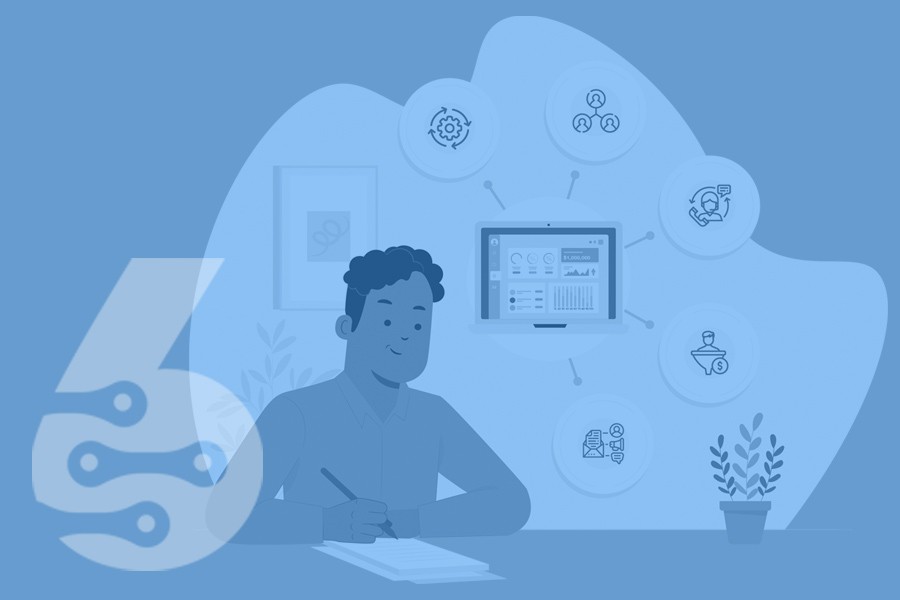
Understanding Customer Relationship Management (CRM)
If you want to run a successful business, it is essential to have a sound customer relationship management system or CRM in place. A CRM can help you keep track of your customers, their needs and wants, and how to best serve them. There are many different CRMs out there, so it is essential to find one that will work well for your business. This blog post will discuss implementing...
Fresh, Fast & Future-Proof: The Smart Way to Produce Dairy
Milk production is one of the most demanding sectors in food manufacturing, where quality, consistency, and safety are non-negotiable. Unlike other industries, dairy processing requires precise control over every stage - from raw milk intake to packaging - to maintain strict hygiene standards and ensure uniform product quality. This level of precision is only possible through advanced automation and data-driven decision-making. That’s where SIX ERP comes in. By integrating real-time...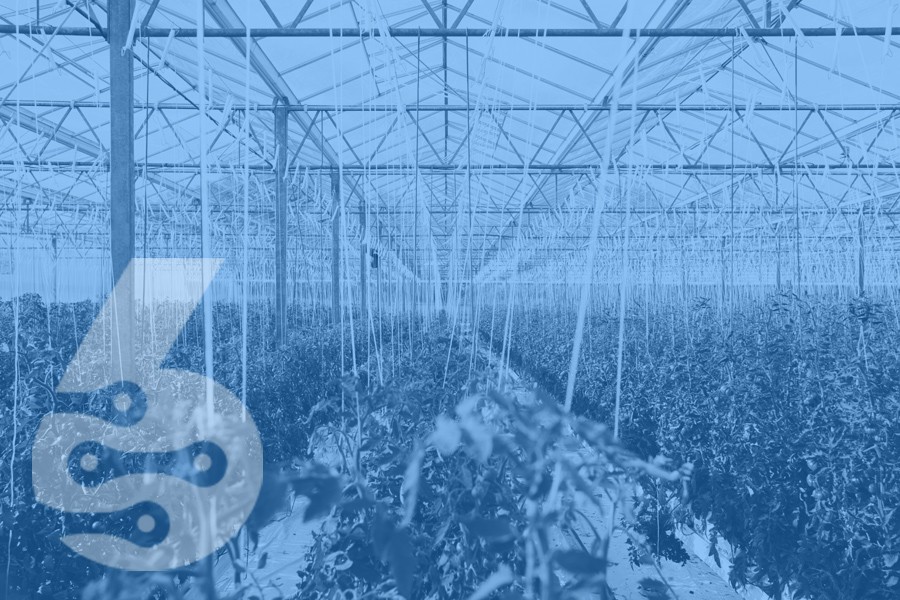
Intelligent tech in Agriculture
Drought, hail, constant rain - climate change has far-reaching consequences for us and agriculture. Learn how innovative agriculture technologies can help achieve higher yields, maintain biological diversity, and be innovative simultaneously. Besides Governments, also we at SIX have committed to fighting climate change and helping agricultural producers and farmers to become CO2-neutral.But will all combined efforts be enough to stop climate change? Will we be able to maintain biodiversity and safe...Related SIX ERP Features:
Want to see SIX for yourself?
Need help, have questions or want to get a free demo?
Please read our Privacy Policy on how we process personal data. We will never share your data!